
Setting the scene — a practical comparative insight
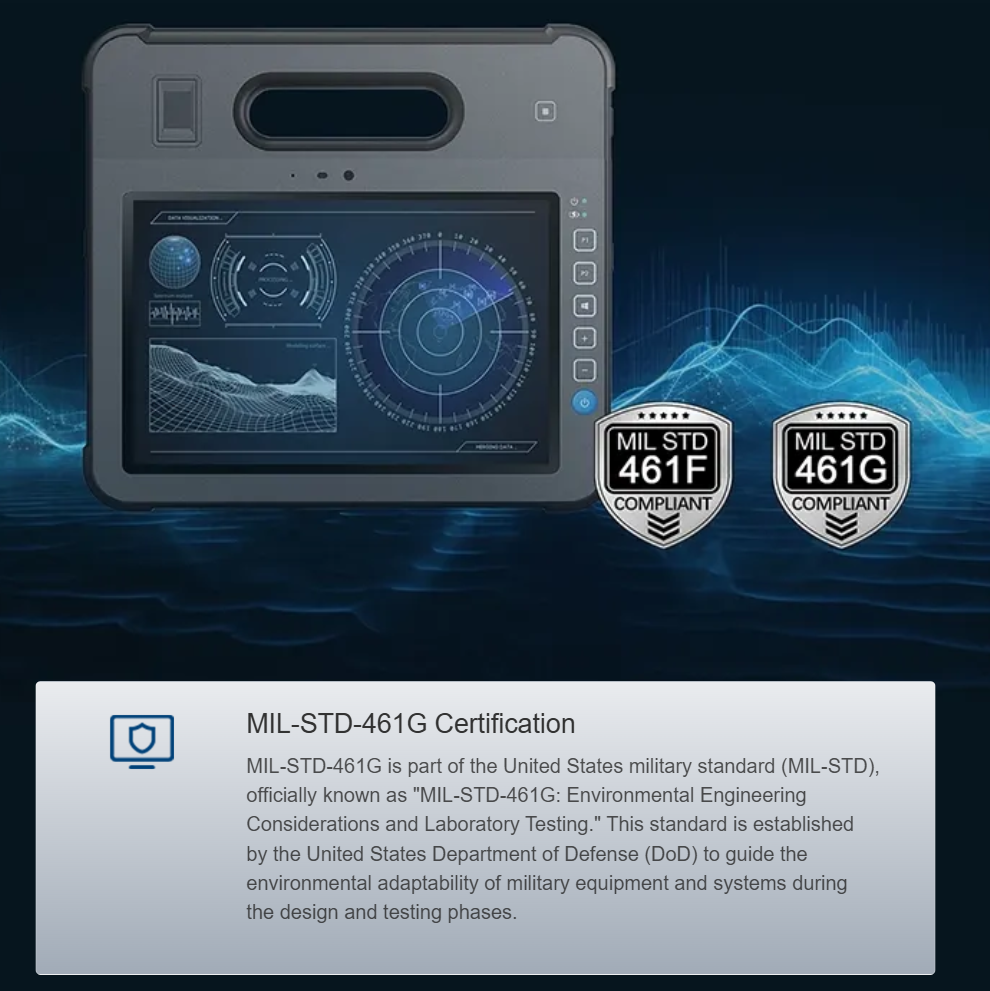
Out in the field — whether at a dusty Johannesburg mine site or a coastal SAR exercise — you want a Ground Control Station (GCS) that keeps telemetry flowing when the joystick is slammed all day and the case is sealed tight. This piece compares ARM and x86 compute choices for custom UAV telemetry GCSs under true sealed IP65 industrial joystick duty-cycles, with hands-on emphasis on thermal behaviour, I/O resilience and packet latency. If you’re testing prototypes, check a vetted Rugged Handheld as a design anchor that survives those duty demands.
Compute characteristics: throughput, latency and real workload fit
ARM SoCs shine at low-power, sustained workloads. They typically run cooler in sealed enclosures and keep steady packet handling for telemetry and simple mission logic. x86 chips give stronger single-thread performance and higher IPC for heavy encryption, image decoding or local SLAM workloads. For telemetry streams and joystick sampling — short serial bursts, small UDP packets — ARM’s steady-state throughput often matches the practical needs, while x86 only shows its edge under bursty, CPU-bound tasks like real-time video decode.
Thermal reality in IP65 boxes
IP65 means dust-tight and protection from low-pressure water jets — but it also means heat gets trapped. In that environment, a high-TDP x86 wilts unless you plan heatsinking or thermal paths through metal flanges. ARM platforms usually avoid thermal throttling under typical joystick duty-cycles because they run cooler at the same sustained load. Power draw translates directly to heat and runtime: ARM gives longer battery operation in mobile GCS units, x86 can demand active cooling—impractical with sealed ingress protection unless you redesign the enclosure.
I/O, drivers and software stack — the unglamorous backbone
Telemetry reliability hinges on UART/USB stability, driver maturity and how the OS manages interrupts. ARM linux builds are rock-solid for serial/UART stacks and low-latency GPIO sampling used in joystick interfaces. x86 has great legacy driver support for niche PCIe and capture cards when you need heavy peripherals. Choose based on I/O: lightweight GCS that prioritise robust serial links and long duty-cycles trend ARM; high-throughput video or compute-offload GCS trend x86. – small aside: always run long-duration stress tests with the actual joystick hardware to catch debounce and firmware edge-cases.
Field lessons and common mistakes
Teams often pick raw benchmark scores and forget the enclosure. That’s the classic misstep: a hot x86 board in an IP65 case will thermal-throttle and deliver worse telemetry latency than a modest ARM board that never leaves its performance band. Another slip is underestimating joystick duty-cycle — industrial joysticks often endure millions of actuations and create steady interrupt loads; confirm debounce logic and IRQ handling on your chosen SoC. Alternatives exist: mid-power x86 embedded modules with tuned thermal design, or high-end ARM SoCs with hardware crypto and NPU for on-device processing.
Advisory — three critical evaluation metrics
1) Sustained performance under enclosure constraints: measure sustained throughput over hours, not peak bench scores. Look for no thermal throttling and consistent packet handling. 2) Real-world telemetry latency: capture 99th-percentile round-trip telemetry times with the actual joystick duty-cycle and radio link — sub-50 ms is a practical target for tight control loops. 3) I/O resilience & ingress durability: validate UART/USB stability, connector cycles and IP rating under vibration and grit. These metrics tell you what will fail first in the field and what you can fix without reworking the whole platform.
Final thought — pick the compute that matches the workload, not the benchmark, and design the enclosure so the compute can breathe without compromising IP65 duty. Estone.