
Comparative lead-in: why this matters now
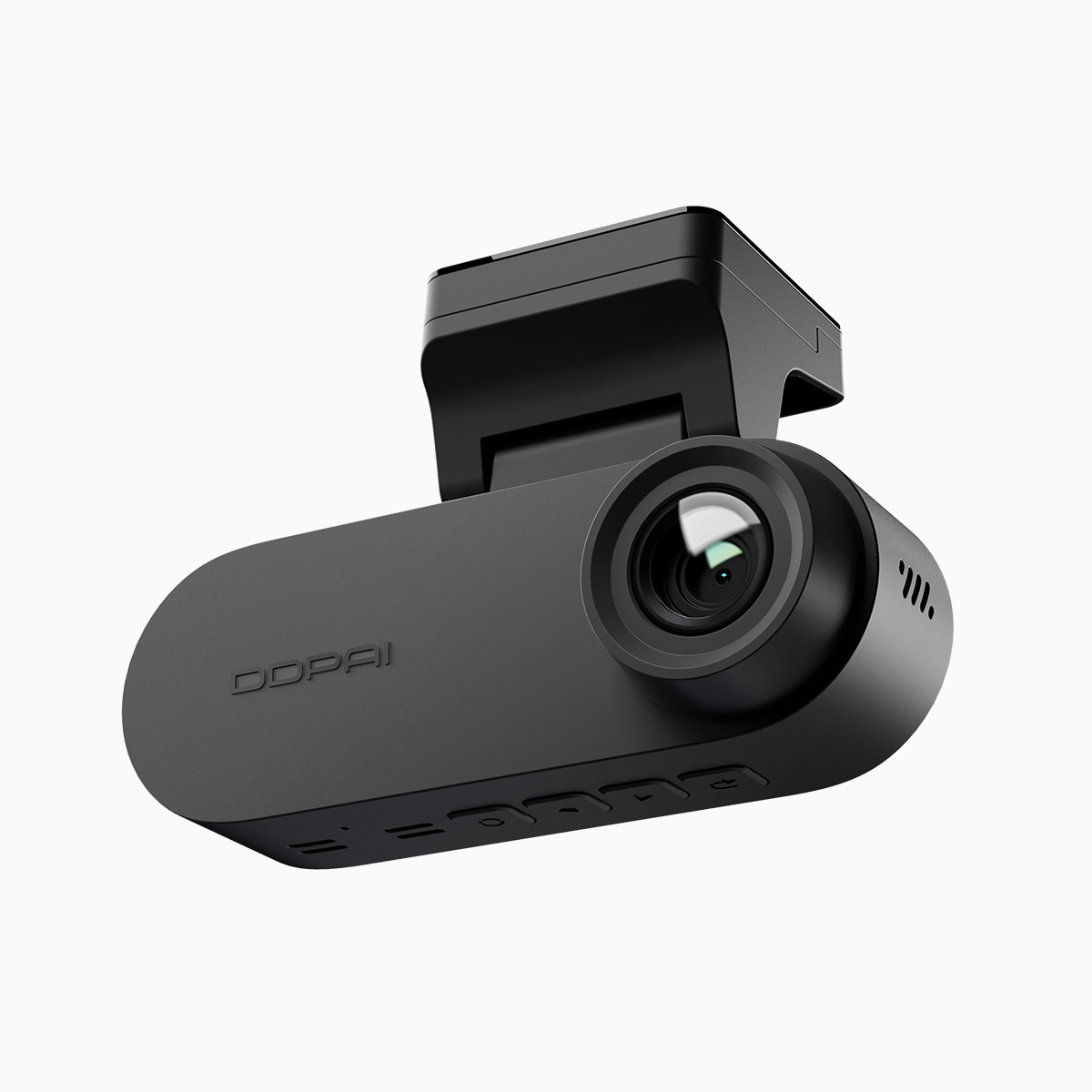
High-contrast scenes—like stepping out of a dim tunnel into bright sunlight—are where dash cams either prove their worth or fail. This piece compares design choices and practical trade-offs so you can see why a front and rear dash cam setup sometimes still loses to a tuned triple-camera system. The logic is straightforward: dynamic range, exposure control, and lens design determine whether you capture license plates or just glare. We’ll use clear examples and actionable checks rather than jargon-heavy theory.
The core problem: exposure limits vs sudden contrast
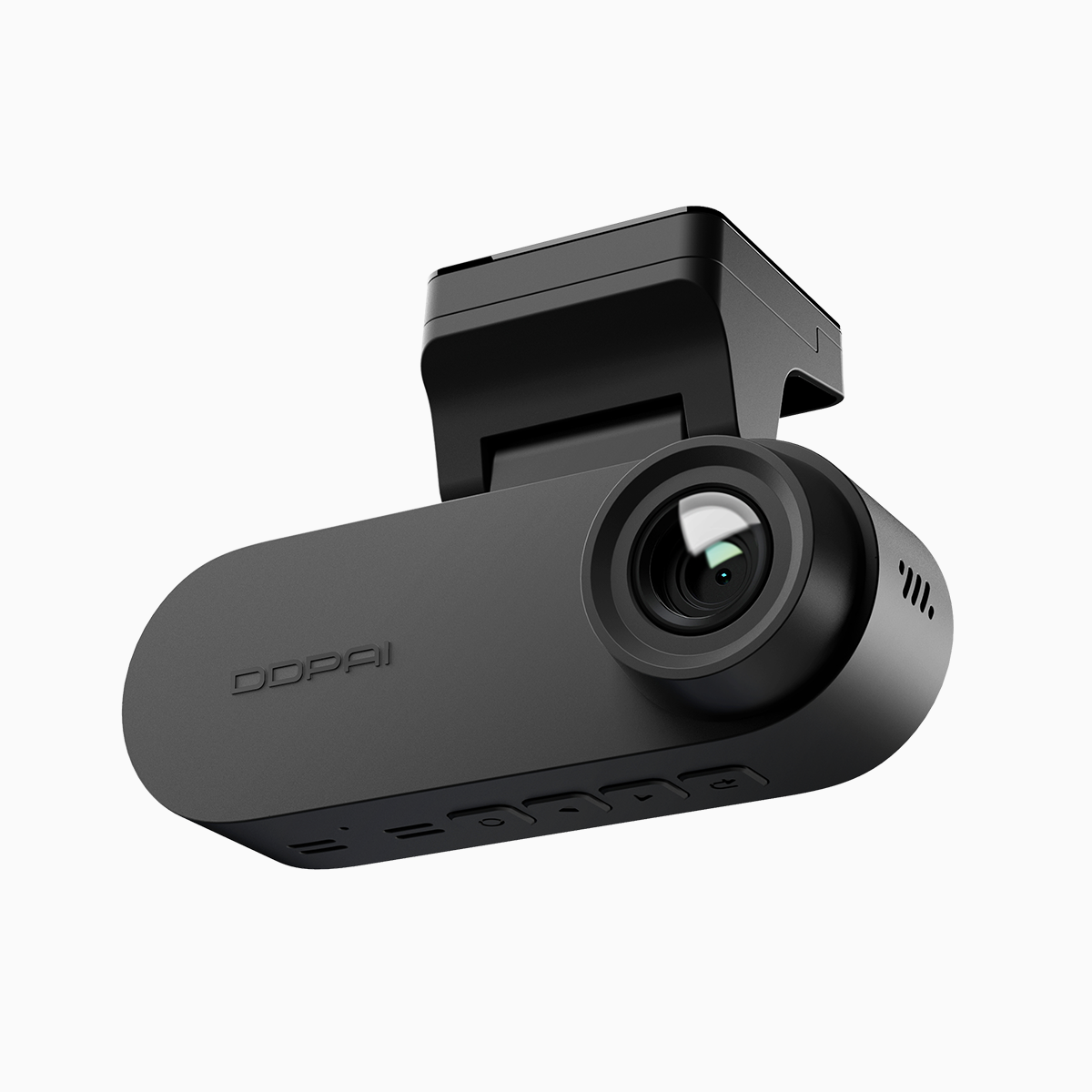
Cameras have physical limits: a sensor can only expose for so much light at once. When your CMOS sensor faces both shadow and sunlight, the result is clipped highlights or murky shadows. That’s where Wide Dynamic Range (WDR) algorithms and exposure stacking try to rescue footage. But algorithmic fixes are only part of the solution—optics and frame rate choices matter too.
How WDR and related tech actually work
WDR combines multiple exposures or tone-mapping to widen effective dynamic range. HDR, exposure bracketing, and per-frame exposure compensation are common techniques. In practical terms, good WDR means readable plate numbers when entering or exiting tunnels and fewer washed-out frames. Bitrate and codec choices then decide whether those details survive compression—low bitrate can destroy the gains of high dynamic range.
Triple-camera vs dual camera dash cam: a direct comparison
Triple-camera systems typically include a dedicated low-light or inward-facing sensor, plus front and wide-angle modules. That specialization helps: one sensor can optimize exposure for forward-facing lanes while another handles darker shadows. A dual camera dash cam does well on balance but can be forced into compromises when lighting shifts rapidly. Consider frame rate too—higher frame rates reduce motion blur but increase processing demands and heat, which affects sustained performance.
Real-world anchor: tunnel exits like the Lincoln Tunnel
Tunnel exits—Lincoln Tunnel in New York is a clear example—create abrupt luminance changes that stress both hardware and software. Traffic authorities note that visibility shifts contribute to local incidents during peak sun angles. In field tests, triple-camera rigs maintained readable footage across the threshold more often than single or basic dual-camera units, thanks to targeted exposure control and sensor selection.
Common mistakes and what to avoid
Teams and drivers frequently buy on headline specs—megapixels, HDR buzzwords—without checking practical settings. Typical errors: leaving WDR at default, ignoring bitrate limits, or mounting cameras with obstructed views. Also, firmware matters—WDR behavior can improve dramatically after an update. Calibrate once, then verify at different times of day. Don’t over-filter; aggressive noise reduction eliminates detail—especially license plates.
Comparative checklist: what to look for
Use this quick list when comparing systems:
- Sensor type and dynamic range rating—real-world shadow/highlight performance beats marketing numbers.
- Exposure strategy—does the unit use exposure stacking, per-frame HDR, or simple tone-mapping?
- Bitrate and codec—higher sustained bitrate preserves WDR advantages; HEVC vs H.264 affects storage and playback.
- Mounting flexibility—angle and placement change how much of the road and sky the lens must handle.
- Complementary modules—does the system behave like a true dual camera dash cam in paired modes or as three independent sensors?
Advisory: three golden rules for selecting the right solution
1) Prioritize sustained bitrate and real-world WDR testing over peak resolution claims—video detail survives compression, not megapixels. 2) Match sensor strengths to use case: choose low-light-optimized modules for night-heavy routes and wider dynamic range sensors for tunnel-prone commutes. 3) Inspect firmware update cadence and vendor support—regular improvements fix exposure edge cases faster than hardware swaps.
Final thought
Practical systems solve the tunnel-to-sun problem with a mix of optics, sensor choices, and smart exposure control—trade-offs you can evaluate quickly with the checks above. For everyday drivers and fleet managers alike, that pragmatic balance is where DDPAI PH naturally fits DDPAI PH. –