
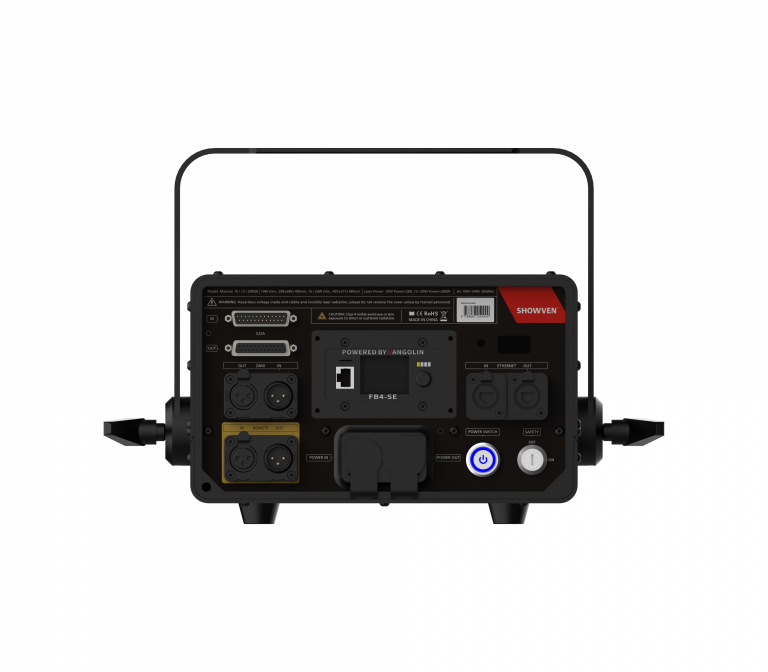
From Mechanics to Mood: What a Beam Really Does
A performance light is a system. It blends control, optics, and motion into one timed pulse. In clubs, DJ laser light is no longer just a beam. It is a storytelling tool that stitches rhythm to space. Picture a rooftop set: dry ice rolls in, a tight green line paints the crowd, and the bass drops like a stamp. Across festivals, operators throw thousands of cues per night, and scan rates climb into the tens of kpps. That output is not only brightness; it is choreography, beam divergence, and how galvanometer scanners keep fidelity under heat.
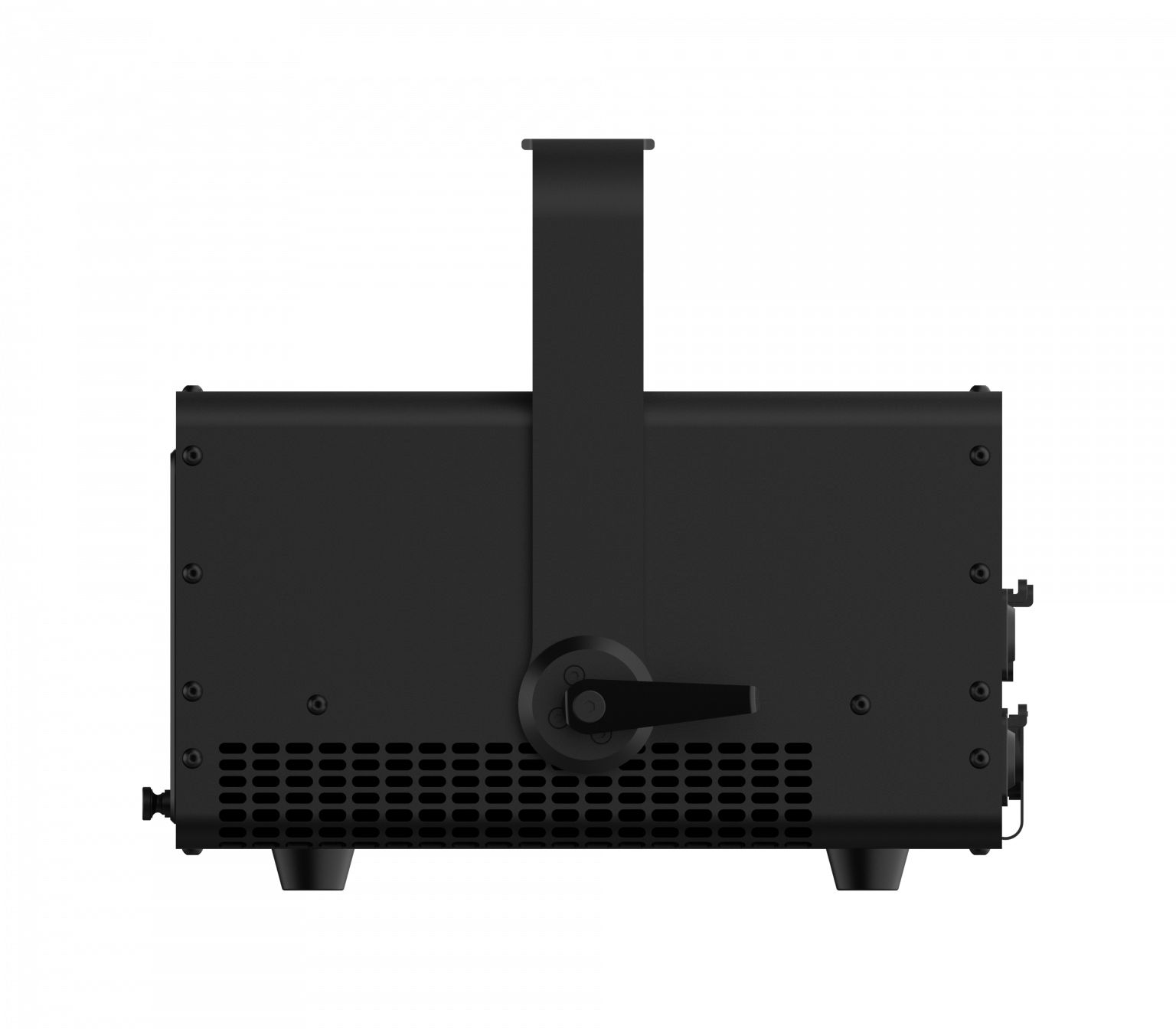
Yet a strange thing happens on busy nights—yes, really. When the room heats up and tempo shifts, weak rigs drift or clip frames, and the “wow” fades. The culture around a floor can turn on this thin layer of light. So here is the real question: how do we compare systems in a way that matches how people dance, not just how boxes spec on paper? Let’s move from hype to habits—then map the trade‑offs that matter next.
The Quiet Friction Behind the Glow
Where do older rigs fall short?
Let’s be direct. Many legacy fixtures were built for simple DMX chases, not dense, music‑locked frames. With DJ lasers, the bottleneck is often control, not color. Older ILDA pipelines can add latency; under fast scenes, galvanometer scanners lose precision, and edges wobble. Beam sharpness dips as thermal headroom shrinks. Cheap power converters sag under load. You see it as jitter in mid‑air text or a logo that smears on the drop. Look, it’s simpler than you think: if the scan rate, cooling path, and signal mapping don’t line up, the floor reads the wobble before you do.
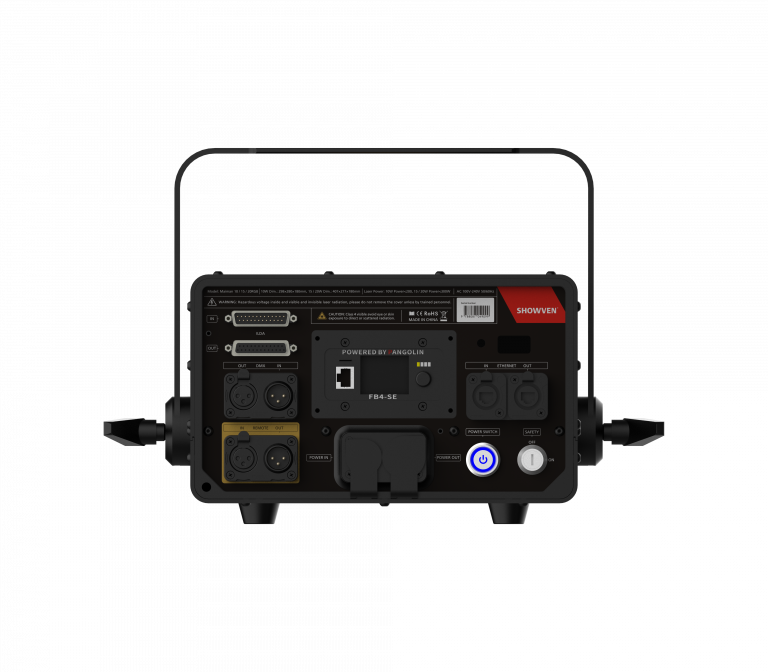
There’s also the human layer. Operators juggle playlists, safety zones, and DMX mapping while mixing live. When presets are buried or feedback is vague, they over‑compensate and wash the room with wider beams. The crowd feels “bright” but not “alive.” Hidden pain points stack up—cables everywhere, noisy fans, and patching that breaks mid‑set. Meanwhile, content creators push frames that punish weak mirrors. The result is a show that looks fine in empty‑room tests and falls apart at 1 a.m. under heat and fog. Old rigs weren’t wrong; they were tuned for a slower era.
New Engines, New Rules: How Tomorrow’s Beams Stay Tight
What’s Next
Forward‑looking systems change the core principles. They treat the fixture as a small computer at the edge. Control packets land on local edge computing nodes inside the head. Motion paths are smoothed before mirrors move. Thermal sensors feed back to maintain scan rate, not just fan speed. In short, the show stays locked even when the room swings. When you see smooth vector text or micro‑stables in tight tunnels, that’s the pipeline doing its job. And when party laser lights sync across truss without visible lag, it feels like the rig “breathes” with the DJ—funny how that works, right?
Compare that with yesterday’s approach. Instead of stuffing brighter diodes into the same body, modern engines balance beam divergence with thermal design so scanners don’t hunt. ILDA remains useful, but smart overlays cut jitter in dense frames. Power converters are sized for peak, not just average, so you don’t drop fidelity on the biggest hit. The takeaway: we moved from raw output to managed output that holds shape in motion. Summing up earlier points, the pain wasn’t only brightness or color. It was stability, timing, and how interfaces let humans work under pressure.
Advisory close for real buyers: judge three things. One, motion integrity under heat—watch scan rate stability and vector accuracy after 30 minutes. Two, control latency—measure end‑to‑end delay from cue to beam across your network path. Three, safety and service—zone masking, cooling paths, and how fast you can re‑patch mid‑set without breaking flow. Get those right, and your light writes the night, not the other way around. For further exploration of modern systems and engineering practices, see Showven Laser.