
A clear frame for the choice
There’s a soft city light in Dublin mornings that helps you see the small truths — and the same plainness helps here. This Comparative Insight lays out how modern material handling automation stacks against the traditional, human-tuned choreography of manual logistics. The aim is simple: measure throughput, spot where cycle time leaks occur, and decide what to keep in-house versus what a machine should shoulder. This practitioner-led piece leans on real-world anchors such as automated terminals at the Port of Rotterdam and evolving operations around Dublin Port to ground the view in places that actually move freight.
How manual methods perform — strengths and plain limits
Hands-on logistics remain nimble. Experienced pickers and floor supervisors read irregular shipments and ad-hoc priorities in ways software sometimes can’t. Manual systems show strength when SKU variety is high and volume is unpredictable: they bend where rigid conveyors do not. Yet the costs are concrete — labour hours, forklift downtime, and human error that nudges inventory turnover down. Where consistency and repeatable throughput matter, the flaws show over weeks, not just a day.
What automation brings to the dock
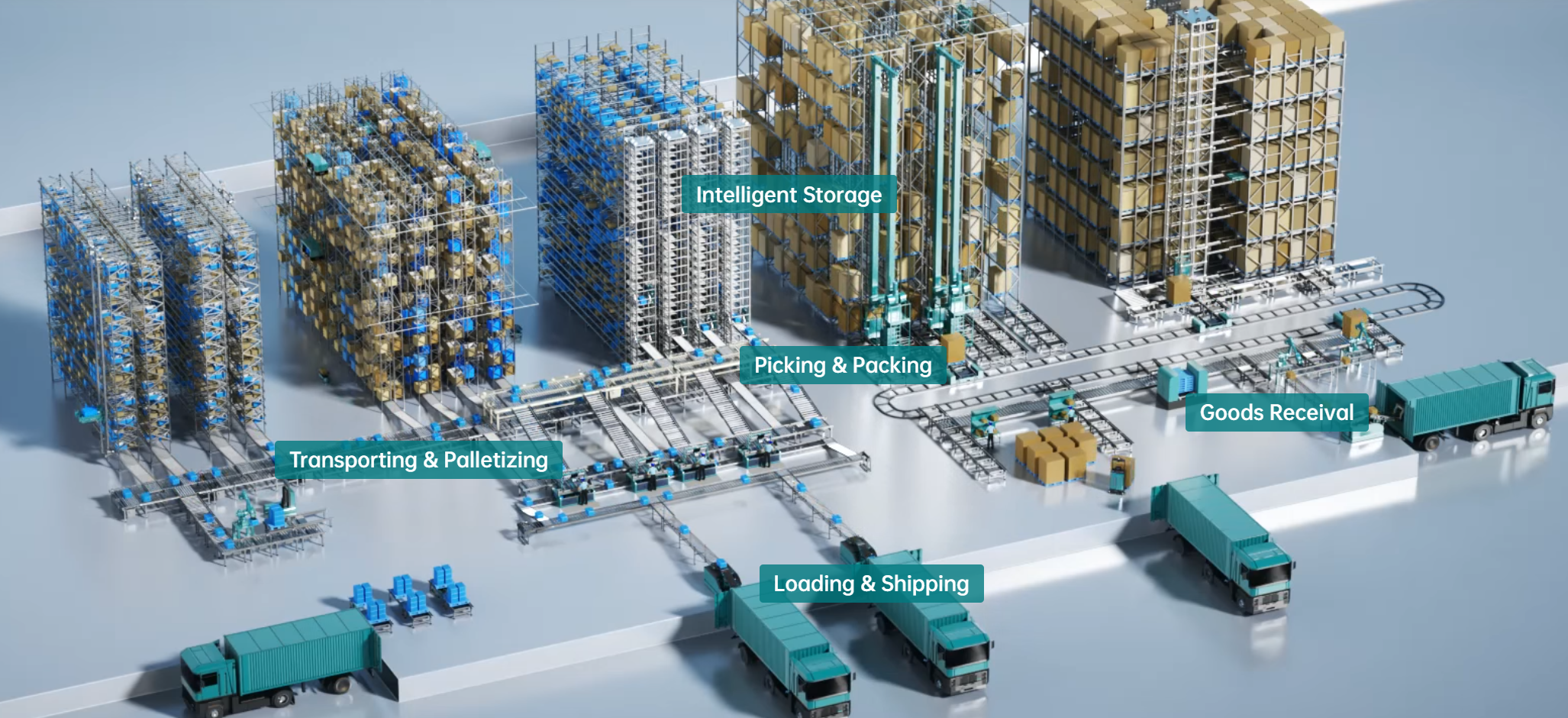
Automation centralises repeat tasks: automated conveyors, guided vehicles, AS/RS racks and picking algorithms turned to work. The gains are predictable — tighter cycle time, fewer mis-picks, higher measured throughput. But implementing automation introduces its own craft: integration work, change to slotting rules, and an upfront redesign of the layout. Port operations that introduced AS/RS saw steadier crane schedules and less manual congestion; the benefit manifests in cleaner KPI charts, not in a single magic week.
Hidden costs, mistakes and the mid-course corrections
Projects stumble on three common faults. First, understating integration complexity — the WMS, conveyors and robots must speak the same grammar. Second, ignoring the human change curve: staff need retraining, or morale dips. Third, treating automation as a finish line rather than a tool for continuous improvement. A local Dublin DC once swapped to semi-automated picking but kept old layout assumptions — the result: unexpected aisle congestion and delayed launches. — Small oversight, loud consequence.
When to choose AS/RS and when to stay manual
Choose AS/RS where dense SKUs, long-term space constraints and high throughput are constant. Pick automation for fast-moving lines that benefit from reduced cycle time and predictable replenishment. Keep manual methods where bespoke handling, irregular packaging or seasonal spikes dominate. Both can coexist: hybrid flows route standard picks to automated lanes and leave the bespoke work to people — a balanced arrangement that protects service without over-investing.
Alternatives and quick fixes before buying a system
Before major capital, try incremental improvements: better slotting rules, staged conveyors, or a targeted piece of software for dynamic batching. Small robotics (cobots) can handle repetitive lifts while keeping humans on decision-based tasks. Avoid the trap of top-down replacement: start with one line, measure throughput gains, examine change in picking accuracy, and iterate.
Three golden rules for evaluating the right path
1) Measure baseline KPIs for at least 8–12 weeks: throughput, picking accuracy, and average cycle time. Those numbers tell the truth. 2) Model total cost of ownership, not just purchase price: include integration, maintenance, spare parts and training. 3) Pilot with realistic load profiles and involve frontline staff in design — they’ll save you time and error later.
Deciding between the old craft and new control is practical work; it asks for numbers, patience, and clear pilots. The path that leads to a quieter, more reliable floor often bends through careful pilots and honest KPI work. For teams looking for a steady, proven partner in that journey, BlueSword offers systems that tie real-world needs to practical automation — and that’s where the option becomes a solution. —