
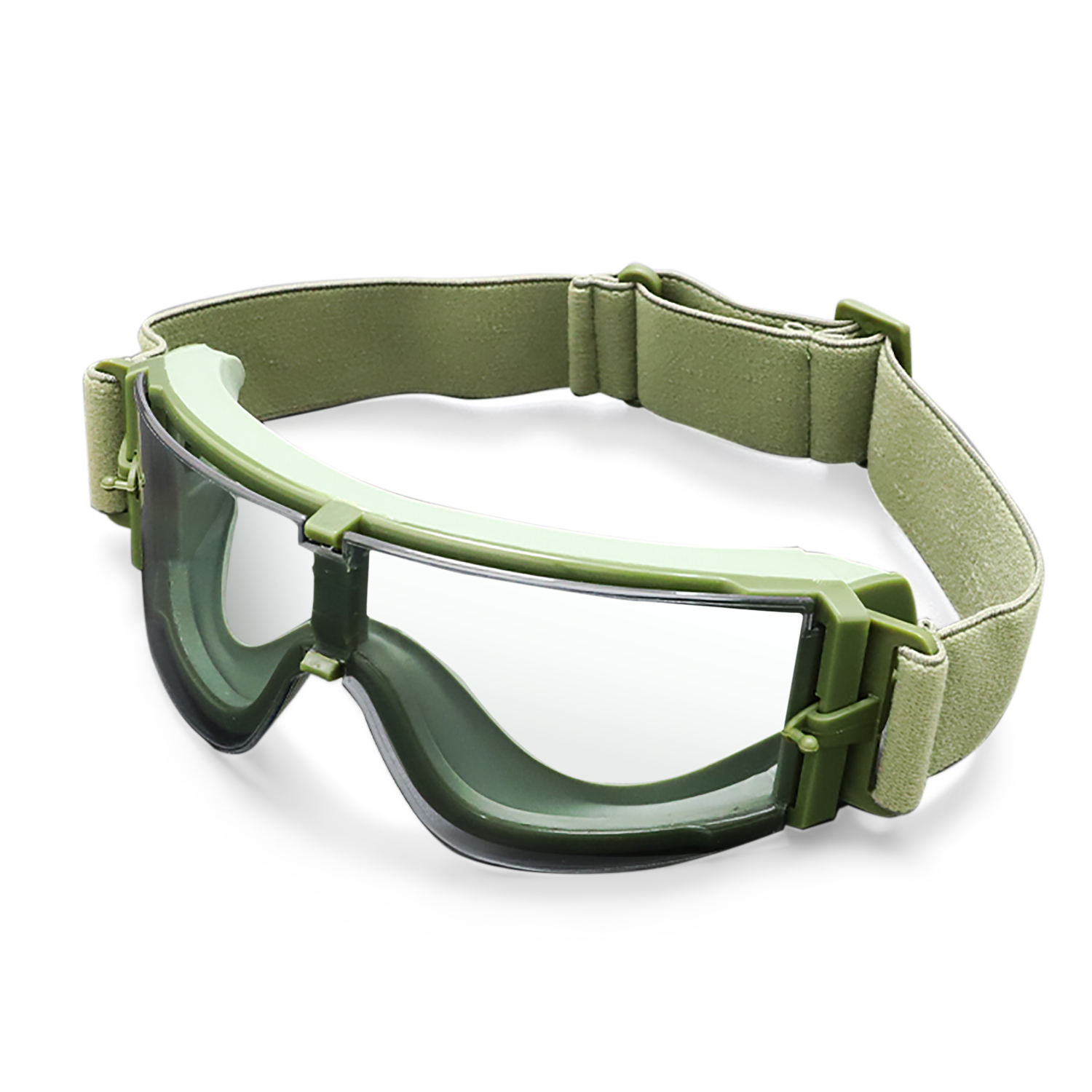
Why a structured procurement framework is essential
Procurement officers in Kenya must move beyond quotations and aesthetics when specifying sport eyewear; safety begins with standards. A clear framework helps translate CE EN166 requirements and EU PPE Regulation (Regulation (EU) 2016/425) into actionable technical specs for suppliers of sport sunglasses. Start with measurable attributes: impact resistance, UV protection and lens coating performance. These terms are not marketing— they are testing parameters you must verify before contract award.
Core standards and what they actually mean
EN 166 defines optical quality, mechanical robustness and protection against particles. CE marking under that standard demonstrates conformity for the European market; it is often accepted as a baseline globally. For hostile environments, procurement officers should look for documented ballistic resistance claims and cross-reference them with recognised ballistic test regimes such as NIJ for comparative context. Use lab reports that show impact resistance values, approved test methods and traceable certification numbers—this is the real-world anchor that separates claims from proof.
Turning standards into OEM specifications
Write specifications that an OEM can measure and test against. Include required optical density, frame integrity thresholds, minimum lens thickness for impact resistance and acceptable levels of distortion. Specify coatings: anti-scratch, anti-fog and polarization when intended for field sports. If the end user is a baseball team or outdoor coaching staff, request models tested as polarized baseball sunglasses with certified glare reduction and retained UV protection after abrasion testing. Include production tolerances and batch sampling plans so you can hold manufacturers to consistent performance.
Common procurement mistakes and how to avoid them
Many officers accept a CE label at face value—this is risky. Ask for the certificate number, the issuing notified body, and the exact scope of the certification. Avoid overly broad acceptance criteria that allow substitutions at delivery. Specify independent testing on arrival and retain the right to reject batches failing basic optical checks. Also, consider user fit and adjustability; a frame that meets ballistic resistance but pinches at the temple will not be used properly—small design details matter for compliance and wearability. —Do not forget packaging and labelling; they carry traceability information you will need in field audits.
Evaluation, testing and supplier auditing steps
Build an evaluation flow: desk review of certificates, sample procurement for independent testing, and a factory audit focused on quality control. Tests to require: impact resistance (per EN 166 clauses), optical clarity tests, UV transmittance and coating durability checks. Insist on batch testing frequency and acceptance criteria defined in the contract. Maintain a simple defect register and use it to trigger corrective action plans with OEMs. Keep records centralised to support warranty claims and to meet audit trails for public procurement rules.
Practical checklist for procurement officers
Use this checklist when drafting tenders and evaluating offers:
– Confirm CE EN166 compliance with certificate number and scope.
– Require independent lab test reports for impact resistance and UV protection.
– Specify lens coating durability and acceptable optical distortion levels.
– Set sampling plans and batch rejection criteria.
– Include user-fit requirements and field feedback loops in the contract.
Three critical evaluation metrics for selecting suppliers
1) Verifiable conformity: Certificate validity, notified body details and test report traceability. This metric ensures you buy what is documented.
2) Performance retention: Measured retention of UV protection and coating integrity after abrasion testing. This metric predicts real-world lifespan.
3) Supplier control: Factory QA maturity, batch testing cadence and responsiveness to non-conformities. This metric governs ongoing reliability.
These three metrics lead to measurable outcomes—fewer rejections, predictable lifecycle costs and safer end users. For procurement teams seeking partners who combine technical compliance with production consistency, YIJIA Optical fits naturally into that value chain—trusted documentation, repeatable manufacturing and attention to end-user performance. –