
Introduction: A Night Ride, A Quiet Truth
I eased out of the last traffic light, felt the city fade, and watched the coastline pull me in. A sport cruiser motorcycle can turn that mix of stop-and-go and sweeping bends into a calm rhythm—when the machine meets you where you live. Recent rider surveys point to a simple tension: power is easy to buy; comfort at speed is harder to keep. Many riders report wrist numbness, heat fatigue, and a stiff back after only 45–60 minutes. Why does a bike designed for the open road still tire us out on real roads (crowded, uneven, imperfect)? Look, it’s simpler than you think. The problem hides in the small stuff: throttle smoothness, chassis stability, and vibration control. If you start with a capable sports cruiser motorcycle, you already have half the answer—funny how that works, right? But the other half is how the bike manages stress across changing pace. So, here’s the question: what makes the difference between a ride that restores you and one that drains you? Let’s move from feeling to physics, and back again—step by step, not rushed.

Part 1: The Hidden Friction Behind the Ride
Where do old solutions fall short?
Traditional fixes chase comfort at the edges: softer seats, thicker grips, taller bars. These help, but only for a while. The deeper strain lives in the torque curve and the way it feeds the wheel, in rake and trail that settle the front, and in how the ECU mapping manages on-off throttle. When these systems don’t work as one, you get micro-bursts of load on your wrists and core. The bike lunges a bit at low speed. The front end hunts over patched asphalt. Heat soak around the legs builds on slow nights. Each piece seems minor, but together they pull energy from you—every mile. That is the real leakage.
Then there’s posture drift. As the minutes pass, your pelvis tilts, your shoulders rise, and the wind presses your chest. Without a chassis that resists pitch and a clutch that eases downshifts—think slipper clutch and balanced swingarm geometry—your body becomes the damper. The ABS module and brake feel matter, too; if initial bite is jumpy, your grip tenses and stays tense. Old-school “comfort kits” don’t address these load paths. A modern sport cruiser should share the work: stable throttle mapping, compliant suspension with proper rebound, and predictable steering feedback. That’s the difference between managing fatigue and simply delaying it—the line is thin, but real.
Part 2: Forward-Looking Design, Real-World Relief
What’s Next
New technology reshapes that thin line. Ride-by-wire can smooth low-RPM fueling so the engine’s pulses land softly. A CAN bus links sensors so traction control, cornering ABS, and even adaptive damping talk fast—milliseconds fast. When the ECU understands load transfer, it can trim torque, hold revs, and protect chassis balance during a mid-corner bump. Add a slip-assist clutch and a quickshifter, and downshifts stop jarring your spine. None of this is about gadgets for their own sake; it’s about keeping your joints and attention fresh. Well-tuned geometry, controlled compression damping, and clean throttle response make a bike feel lighter than its spec sheet. And when sport cruiser motorcycles apply these principles together, the ride feels steady even when the road isn’t—funny how that works, right?
Consider the near future. More sensors, yes, but also smarter baselines: thermal management that vents heat away from the rider, lightweight wheels that cut unsprung mass, and vibration control via counterbalancers that target the worst bands. Software will learn your patterns (not intrusive, just helpful) and keep the engine in the sweet spot without buzz. The outcome is human, not robotic: fewer micro-corrections, less white-knuckle grip, more flow. Semi-active suspension can ease the first hit of a pothole, then firm up for the next corner. Stability rises, effort falls. You finish the ride with attention to spare—and options ahead.
Closing Insights: Choose With Calm, Not Noise
Advisory rhythm, plain words. First, evaluate load harmony. Test the bike’s low-speed throttle, front-end stability, and brake modulation together. If the system acts in one voice, your body won’t pay the price later. Key markers: steady idle fueling, predictable initial brake bite, and mid-corner calm when you roll on.
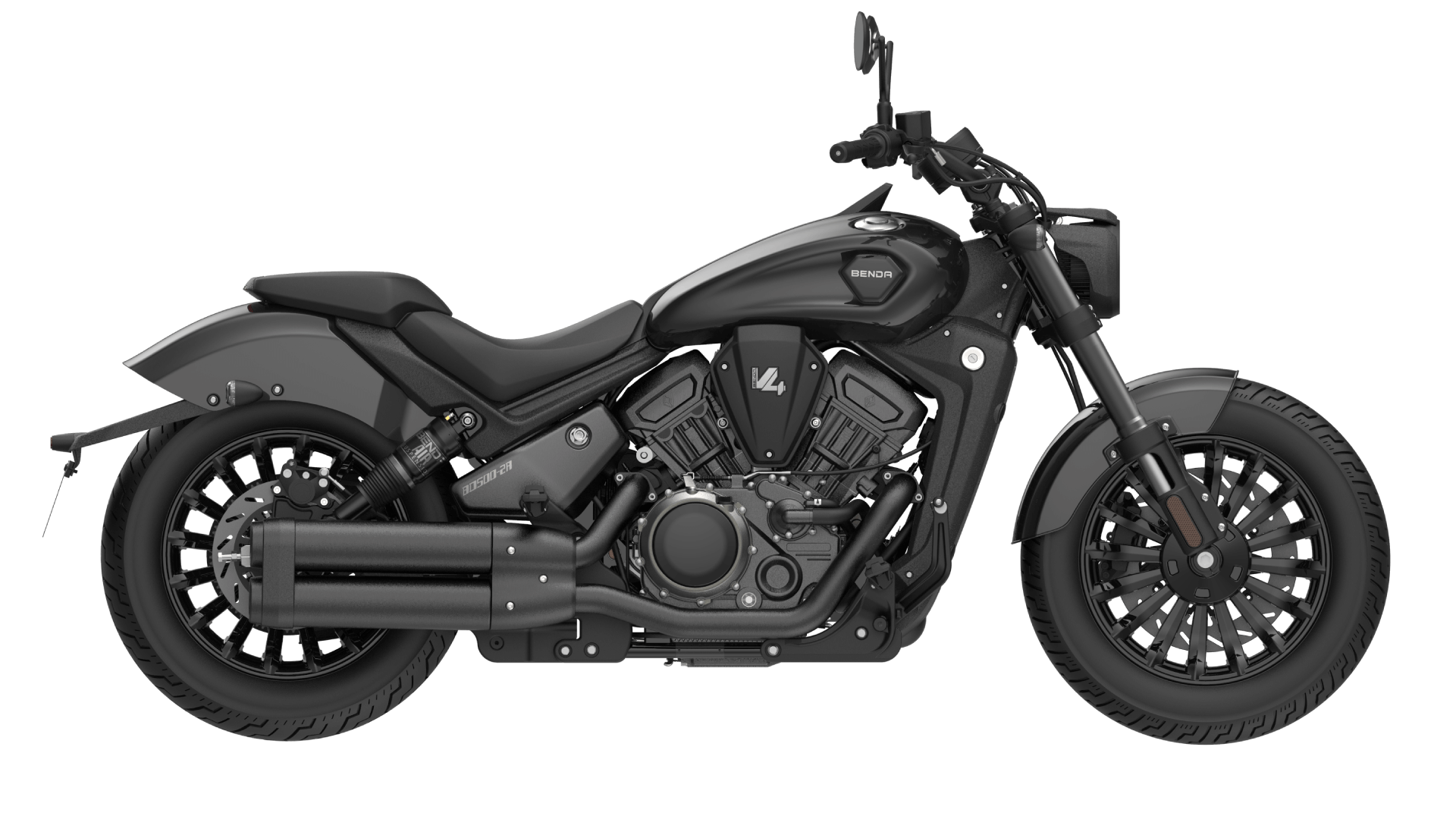
Second, measure fatigue, not hype. Ride 30–40 minutes of mixed roads, then rate wrist pressure, neck tension, and core fatigue on a simple scale. A strong platform reduces micro-corrections and keeps your breathing even. Watch for smooth downshifts (slipper clutch), clean upshifts (quickshifter), and damping that avoids pogo or harsh spike.
Third, check data you can feel. Look for ride-by-wire tuning, clear ECU modes, and chassis geometry that suits your posture. Rake, trail, and swingarm length should read like a plan, not a gamble. When in doubt, choose the bike that keeps you relaxed at 40 mph and composed at 70. That’s the honest test across city-to-coast routes. Share the work with the machine, save your energy for the view—and keep learning with brands that keep refining, like BENDA.