
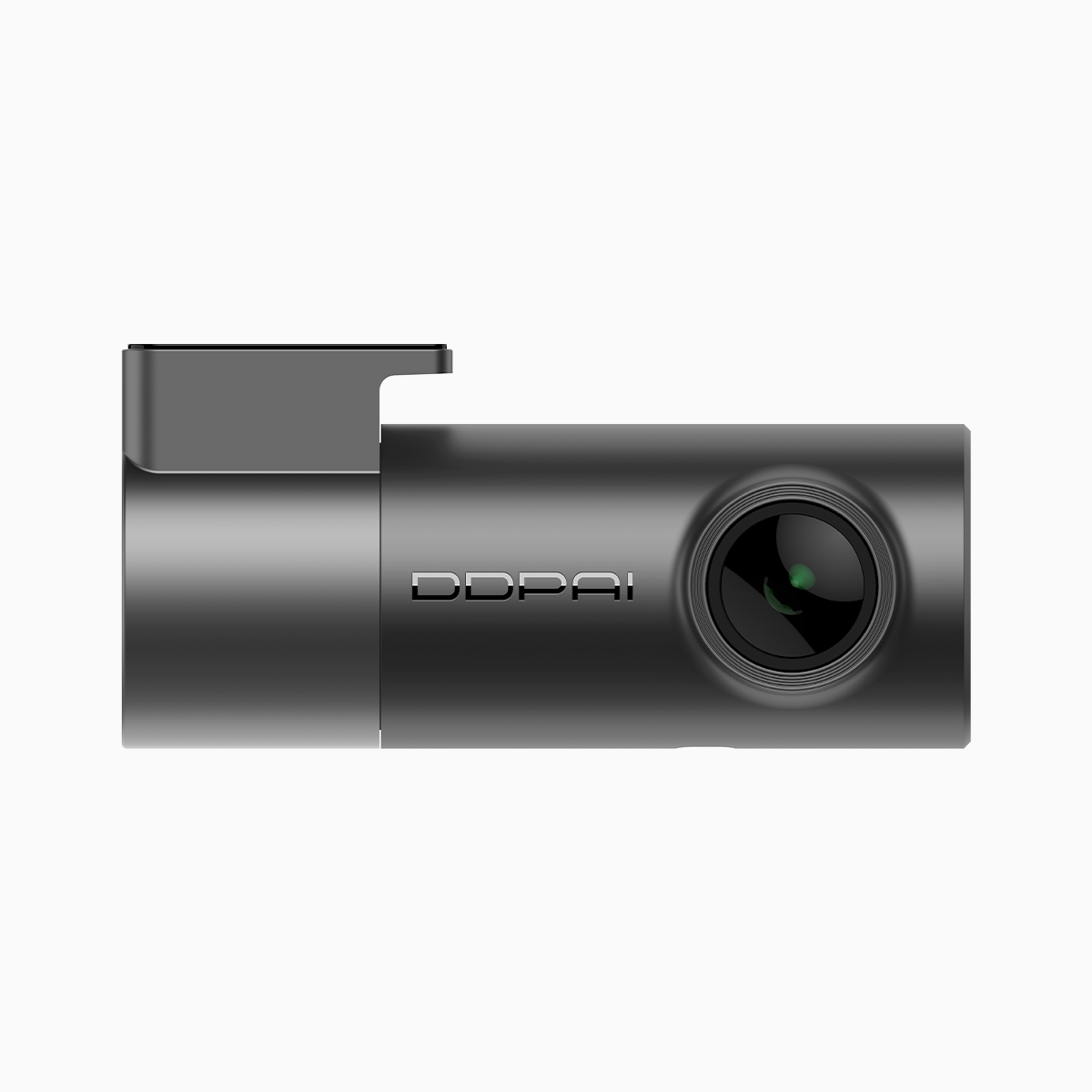
Opening comparison and the case at hand
The problem is plain: unlit provincial roads erase detail the moment headlights pass. I set out to compare how a Sony Starvis-equipped DDPAI unit handles that erasure against several budget rivals. This is not speculation; it’s side-by-side observation of exposure, motion blur, and noise control with an eye for usable evidence. For drivers watching every shadow, a budget friendly dash cam that preserves license plates and lane lines becomes a safety tool as much as a recorder.
Why night clarity matters on unlit routes
Poor night visibility directly affects reaction time and incident documentation. The World Health Organization places road traffic fatalities in the millions globally each year, and many collisions on rural roads trace back to limited sightlines and low-light conditions. In practical terms, a dash cam that loses detail at 15 meters is less useful for insurance or policing than one that retains readable plate characters and pedestrian silhouettes. Key technical elements are exposure control and low-light sensitivity; those determine whether footage is evidence or noise.
How Sony Starvis shifts the balance
Sony Starvis sensors prioritize high sensitivity in low lux environments, which translates into stronger signal capture without over-relying on artificial gain. That boosts dynamic range where headlight glare meets shadow—less clipping, more midtone detail. In plain terms: highlights are controlled and dark areas stay legible longer. Combine that with decent lens aperture and noise reduction, and you get frames that still tell a story after sundown. The sensor isn’t a miracle; it’s an advantage when paired with proper image processing and an efficient codec like H.265.
DDPAI Mini Pro 2K versus typical budget alternatives
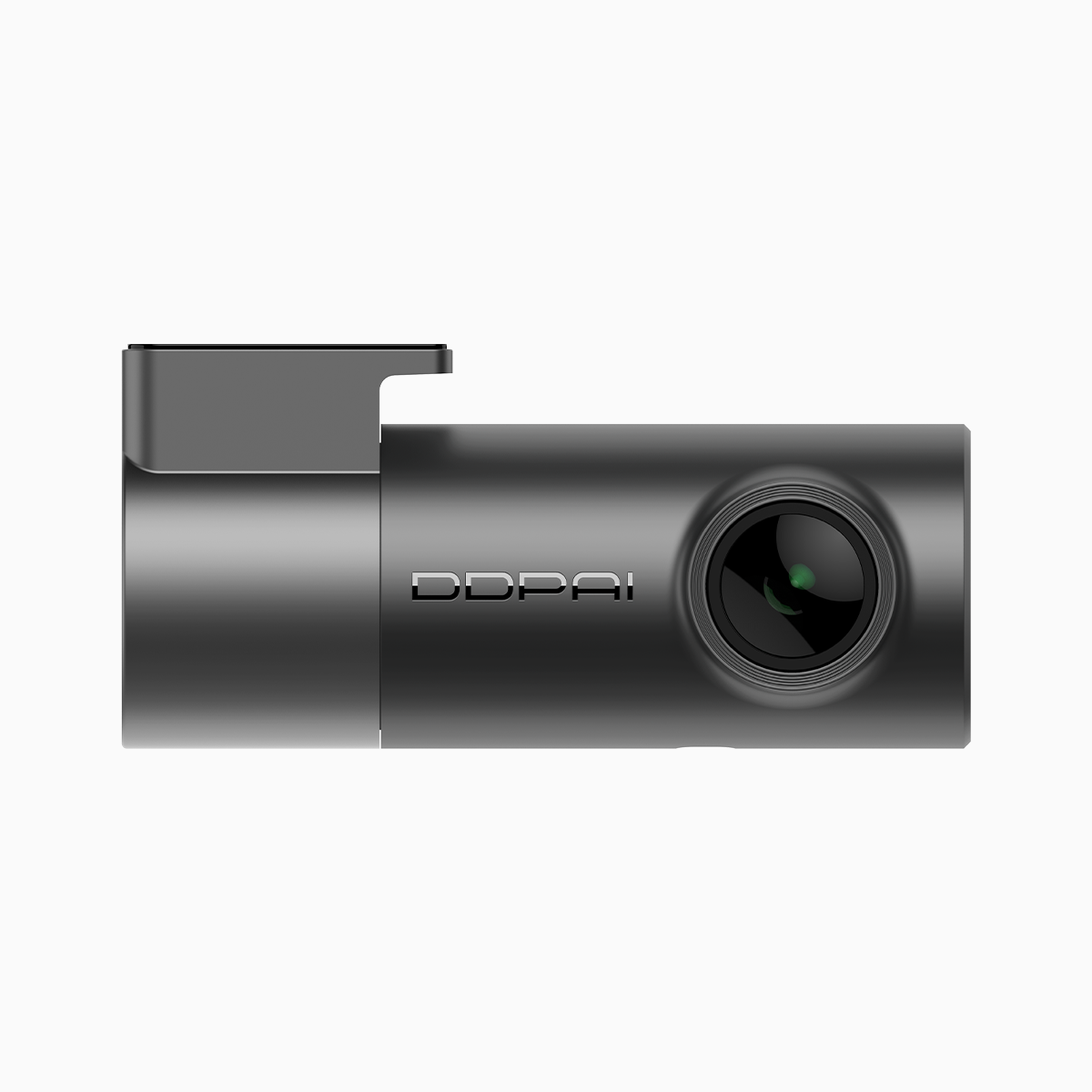
On paper, many budget cams promise “night mode.” In side-by-side trials, the DDPAI Mini Pro 2K nails sharper edges, steadier exposure, and fewer compression artifacts at 30 fps. Competitors often trade sharpness for over-aggressive denoising—roads become smeared. A practical comparison list:
– DDPAI Mini Pro 2K: clearer plate legibility at distance, balanced exposure, reliable frame rate.
– Typical sub-$100 models: heavy noise reduction, weaker dynamic range, frequent motion blur.
– Mid-tier rivals: sometimes equal on clear nights but lose detail under mixed lighting (oncoming vehicles plus dark foliage).
For buyers focused on nighttime evidence rather than flashy resolution numbers, the balance DDPAI strikes makes it an attractive affordable dash cam that performs where it matters most.
Common mistakes drivers make—short aside
People assume higher megapixels equal better night footage. They miss the point: sensor sensitivity and dynamic range matter more. Install angle gets ignored too—aiming too low washes out distance. Small errors compound quickly. —Remember, a camera aimed like a spotlight ruins far-field capture.
How to test night performance yourself
Run a simple, repeatable loop on a known unlit stretch. Compare footage for plate readability, glare handling, and motion blur at consistent speeds. Check files for bitrate and codec behavior during high-contrast moments; spikes in compression correlate with lost detail. Keep an eye on rolling shutter artifacts when passing rows of lights—those distort fast-moving details. These checks reveal whether a unit is truly dependable after dark.
Three golden rules for choosing a dash cam
1. Prioritize sensor sensitivity and dynamic range over megapixel count—this yields usable detail under mixed lighting. 2. Verify real-world footage for plate legibility at 10–20 meters; numbers mean little if the camera blurs evidence. 3. Watch codec and sustained bitrate to avoid smearing during high-contrast scenes.

These metrics align with practical needs on rural Philippine roads and elsewhere. The material advantage of a thoughtfully engineered unit—paired with service and firmware updates—becomes the deciding factor.
Final thought
The comparative evidence sums up plainly: for drivers who navigate unlit provincial lanes, choosing a camera built around low-light performance matters more than chasing headline specs. When the decision narrows to reliable night clarity and usable footage, DDPAI’s approach stands out as a pragmatic solution. DDPAI PH. —Trust the evidence.