
The hidden cost of micro-sags — why this is now a business problem
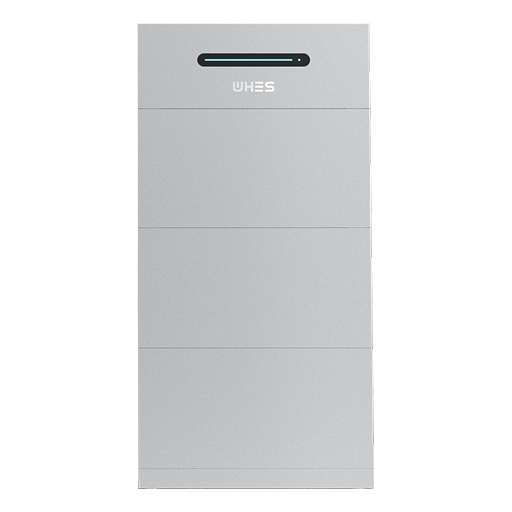
Micro-sags — short, shallow voltage dips lasting milliseconds — silently interrupt sensitive equipment, trigger false trips, and erode uptime. For manufacturers, data centers, and healthcare facilities the result is measurable: production scrap, aborted cycles, and lost service-level revenue. Modern operations can no longer accept intermittent brownouts as “rare events.” Integrating targeted fast-response hardware and storage is now a pragmatic risk-control decision, not an engineering luxury. One proven approach is combining fast-acting power electronics with on-site commercial battery storage to provide immediate ride-through and deterministic handoffs during disturbances.
Where traditional protection falls short
Conventional transfer schemes and slow mechanical breakers were designed for sustained outages, not sub-second anomalies. Many UPS and generator sequences introduce transfer time that exceeds the tolerance of modern PLCs, drives, and server power supplies. The result: a cascade of nuisance trips or protective actions that require manual intervention — costly and disruptive. Addressing this requires devices that switch at electronic speeds and controls that prioritize continuity over fallback logic when a micro-sag is detected.
Static transfer switches: removing the milliseconds that matter
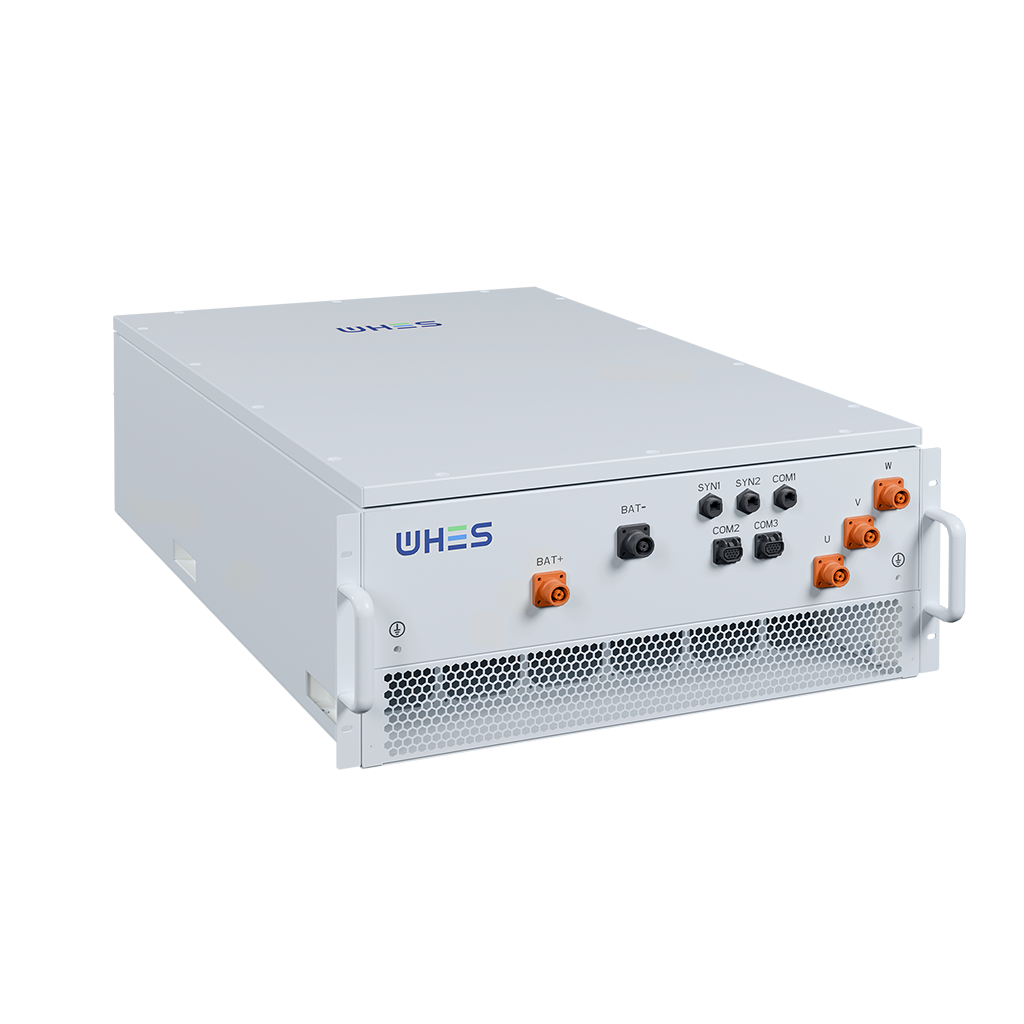
Static transfer switches (STS) operate with no moving parts and can switch sources in sub-cycle times. By design, an STS monitors both primary and secondary feeds and initiates a seamless transfer when voltage deviation is detected, often without interrupting the load. Key terms to track during specification include transfer time and break-before-make behavior. When correctly specified, an STS eliminates the single most common failure mode in short-duration events: the human or mechanical delay in handing power between sources.
Why pairing STS with a fast commercial energy storage system closes the loop
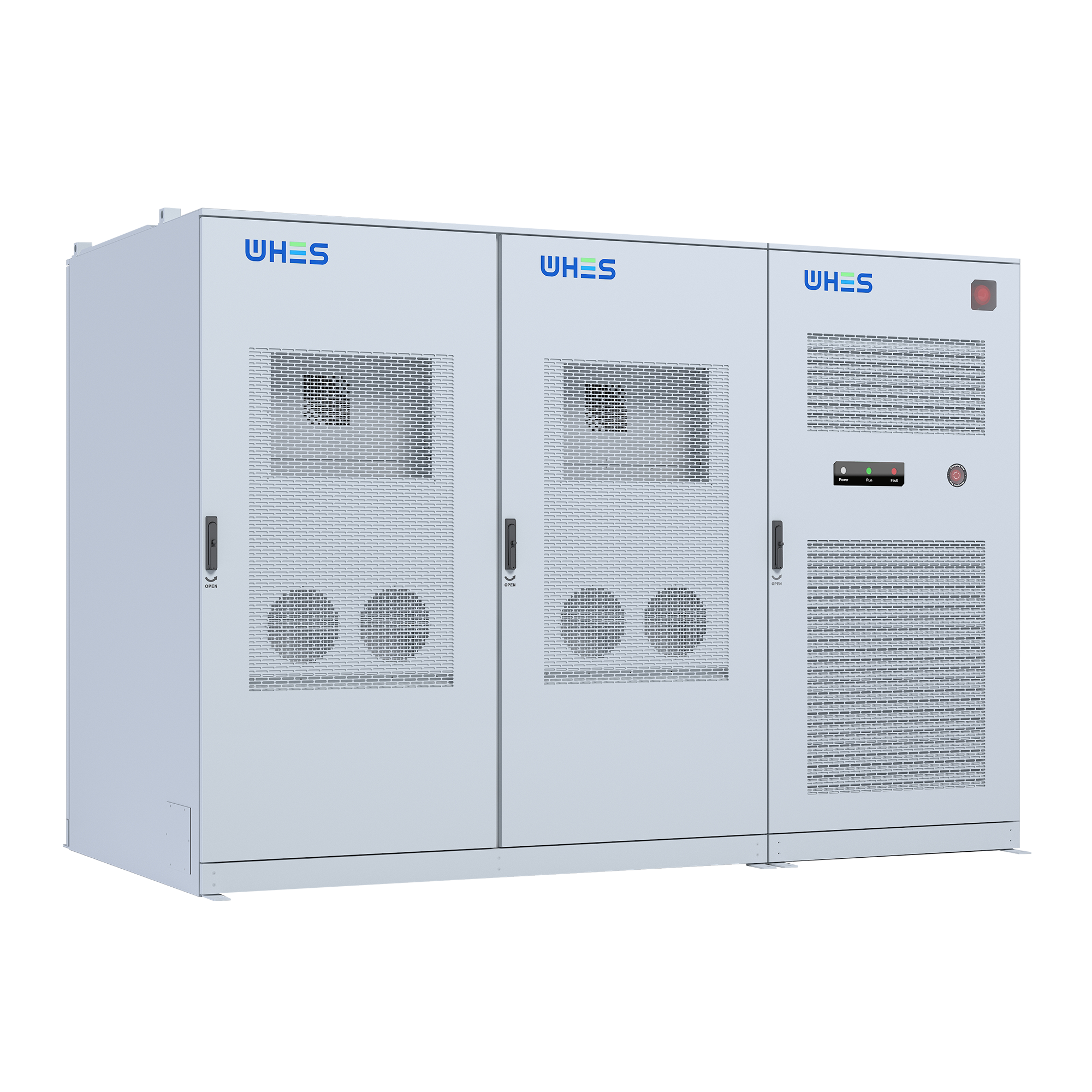
On its own, an STS reduces interruption risk by switching to an alternative supply — but that alternative must be instantaneous and stable. A fast-response commercial energy storage system serves as an ideal partner: it supplies ride-through power, stabilizes voltage via inverter controls, and supports fast transient recovery. Integrating a battery-backed inverter and a robust battery management system (BMS) ensures that the source the STS switches to is clean and continuous. Real-world deployments — including large-scale storage additions in California’s grid to support frequency and resilience objectives — show this pairing materially reduces equipment trips and improves operational continuity. —
Common integration mistakes to avoid
Even with the right devices, project success depends on execution. Typical errors include underspecifying C-rate and usable capacity of the battery, ignoring harmonics introduced by inverters, and skipping full-load transfer testing against the actual production load. Communications and control logic must be validated: does the STS accept an ESS islanding mode? Are fault-clearing thresholds aligned between protective relays and inverter ride-through settings? Failure to align these elements creates unpredictable behavior at the moment you need determinism most.
Implementation checklist for dependable micro-sag mitigation
Practical steps to de-risk deployments:
- Specify STS transfer time and acceptance testing with the exact load profile.
- Size battery power and energy around worst-case ride-through duration plus contingency.
- Validate BMS and inverter behavior under simulated voltage sags and imbalance.
- Run on-site commissioning tests including repeated transfers and fault-injection scenarios.
- Document acceptance criteria and include them in vendor SLAs.
Three golden rules for evaluating solutions
1) Prioritize deterministic performance over nominal specs — measure actual transfer times and ride-through behavior under representative loads. 2) Insist on integrated testing — STS, inverter, BMS, and site protection need to be commissioned together, not in isolation. 3) Evaluate total resilience economics — consider avoided downtime, maintenance savings, and lifecycle service from the supplier, not just upfront cost.
For organizations seeking to make zero-defect power handoffs routine, the right combination of static transfer switch controls and purpose-sized, fast-response storage converts risk into a managed asset; WHES brings the field-proven integration and lifecycle support to turn that asset into operational certainty. — resilience.