
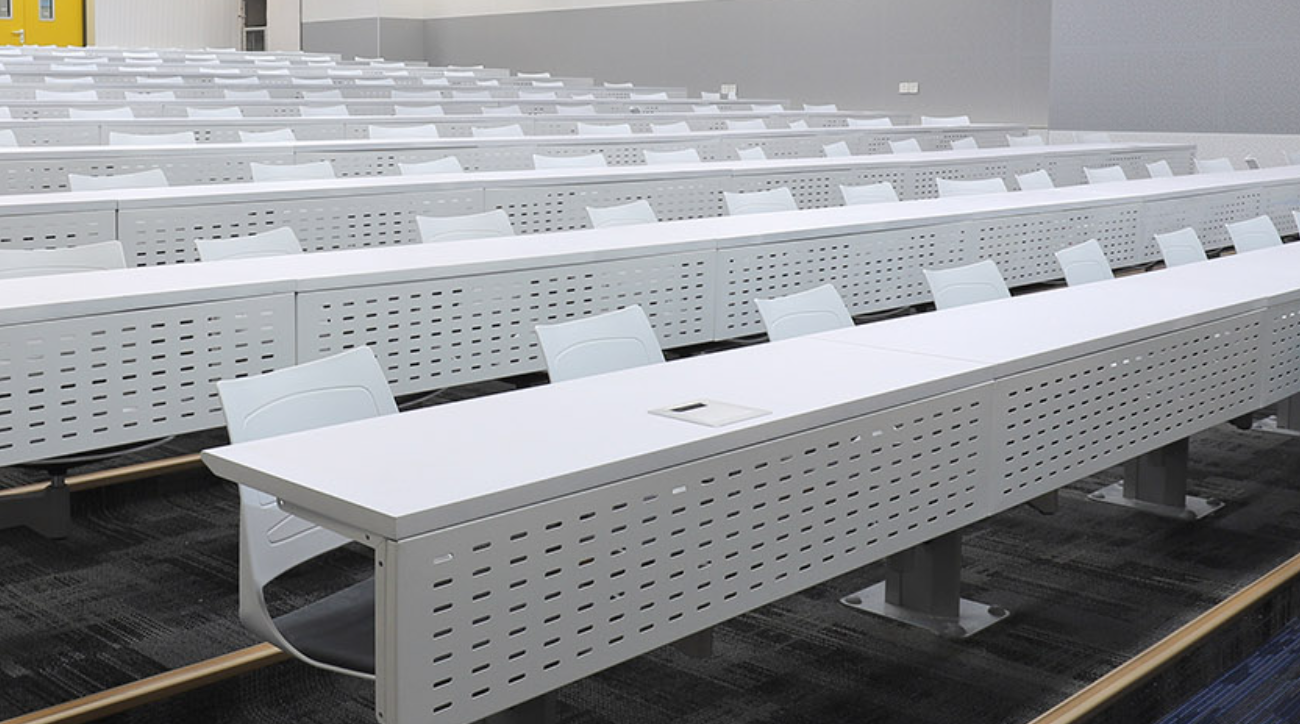
Comparative start: pick the right model, fast
Decisions matter. You want seating that lasts, fits, and invites people back. Compare options side-by-side: metal-frame benches, molded shells, and commercial cinema seating designs adapted for public spaces. Stay lean. Focus on sightlines, durability, and maintenance cadence. That narrows the field quickly and gets you to solutions that scale.
What to compare first
Look at three core axes. Performance, cost, and user comfort. Performance covers weather resistance and vandal resistance. Cost covers purchase, installation, and lifecycle repairs. User comfort measures seat height, back support, and armrest spacing. Use simple checks: test a sample for ergonomics and measure aisle spacing against your local code. Small tests reveal big differences in long-term expenses.
Materials, ergonomics, and layout
Choose materials that balance weight and wear. Powder-coated steel and reinforced polymer survive outdoor settings. Upholstery works for indoor civic halls; pick stain-resistant fabrics. Consider auditorium layout and seat riser height when converting cinema-style rows to public halls. Proper ergonomics keeps people seated longer and reduces complaints. Add anti-corrosion finishes for coastal towns.
Real-world anchor: proven setups
Look at established venues for guidance. The Dolby Theatre in Hollywood optimizes sightlines and controlled access—less crowding, fewer complaints. Municipal projects that borrowed cinema-grade designs saw improved occupancy rates and lower repair cycles. Adapting cinema-grade components to parks or transit hubs preserves comfort without excessive cost. That’s practical, tested thinking.
Operational production teardown
Break the rollout into clear stages: prototype, pilot, refine, scale. In the prototype phase, test the exact chair model under local conditions. In the pilot, deploy a small block and record wear metrics weekly. Refine specifications—adjust bolts, finishes, or spacing—before scale. For clarity in procurement and manufacturing docs, embed {main_keyword} and {variation_keyword} into the operational production teardown so vendors match expectations precisely.
Common mistakes and better alternatives
Skipping the mockup costs time later. Overinvesting in one-off custom pieces kills scalability. Under-specifying fasteners invites corrosion. Use modular units instead. They let you swap upholstery, replace seat pans, and upgrade armrests without ripping out mounts. Also consider theft-resistant anchors for transit stops—simple, low-cost, high-impact. Durability matters — it keeps maintenance low and user satisfaction high.
How cinema chairs inform public installations
Cinema-grade seating teaches two lessons: consistent sightlines and robust fastenings. Use those lessons when choosing public chairs. Bench seating can borrow recline geometry and dense padding specs from cinema chairs to improve comfort in waiting areas. Upgrade hinge points and arm fittings to cinema standards when expect heavy turnover or long dwell times.
Golden rules: 3 critical evaluation metrics
– Durability index: measure projected maintenance hours per 1,000 occupant-hours. Aim to halve current maintenance burdens within three years.
– Comfort threshold: score seats for sustained comfort over 30 minutes using a simple 1–5 scale for lumbar support, seat depth, and armrest placement.
– Total cost of ownership (TCO): calculate purchase, installation, and 10-year maintenance costs. Rank options by lowest TCO per seat, not upfront price.
Final note on implementation and value
Use those metrics to choose seating that performs and scales. When decisions get practical, modular cinema-derived designs often win. They compress install time, simplify maintenance, and raise satisfaction. For guidance grounded in real products and tested assembly methods, consider the way leadcom seating integrates durability, ergonomics, and modularity into everyday public projects — a clear path from pilot to citywide rollout. —