
Why a framework beats guesswork
Asset managers juggling distributed solar and storage need a clear roadmap — not hopeful spreadsheets. This framework lays out five actionable levers to stack merchant revenue from grid services, capacity, and energy markets so your portfolio actually earns what it could. If you’re looking at commercial energy storage as a growth engine, read this as a playbook: market logic first, then ops, then tech, then contracts, then risk. The ERCOT winter storm in February 2021 is a blunt reminder that grid stress creates both value opportunities and exposure — and storage sits right in the middle.
The five-layer framework at a glance
Use these layers as a checklist when sizing deals or vetting vendors:
– Market Stacking: identify revenue streams (arbitrage, capacity, ancillary).
– Operational Optimization: dispatch strategy, state-of-charge control, software stack.
– Technical Architecture: containerized BESS, inverter sizing, thermal management.
– Commercial Structures: PPAs, tolling, market participation rules.
– Risk & Financing: degradation modeling, warranties, insurance, residual value.
Layer 1 — Market stacking: where the dollars hide
Merchant revenue stacking is about combining short and long-duration revenues. Start with energy arbitrage: buy low, sell high across hours. Add ancillary services — frequency regulation and fast response — which pay well for high ramp rates. Then factor capacity or demand-charge reduction if you serve commercial & industrial customers. Each stream has different dispatch constraints and revenue predictability; you map them into a prioritized schedule so the battery doesn’t chase every signal at once.
Layer 2 — Operational optimization: software wins
Control logic and telemetry separate good assets from great ones. A smart EMS (energy management system) coordinates state-of-charge (SoC) windows, respects cycle-life constraints, and sequences bids between markets. Get this wrong and you’ll trade short-term gains for accelerated degradation. Test your dispatch under stress scenarios — market price spikes, grid curtailment, and forced outages — and tune hysteresis to avoid ping-pong cycling. Small note — human ops still matter when markets move faster than models, so keep an operator in the loop for exceptions.
Layer 3 — Technical architecture: why flexible containers matter
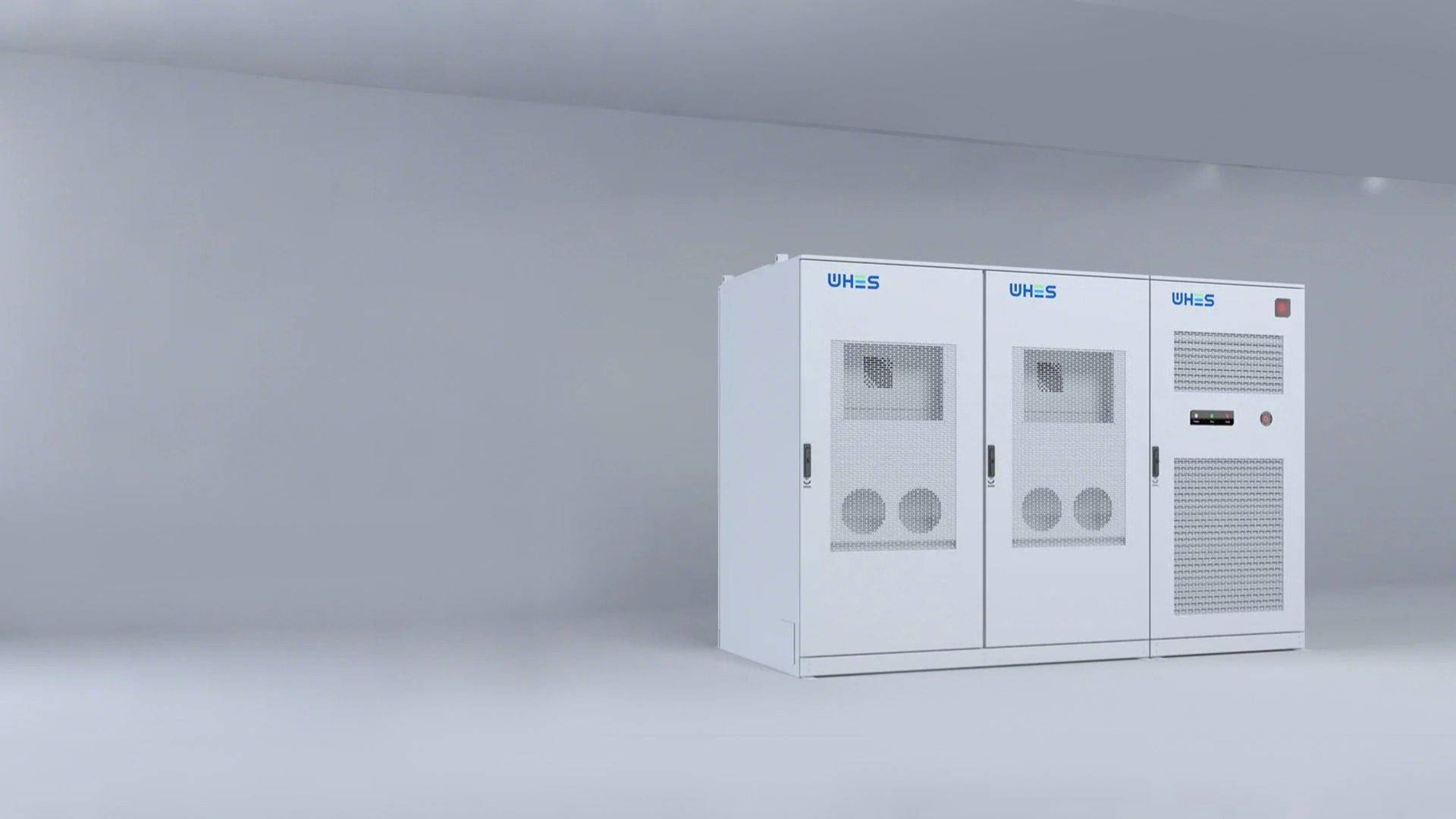
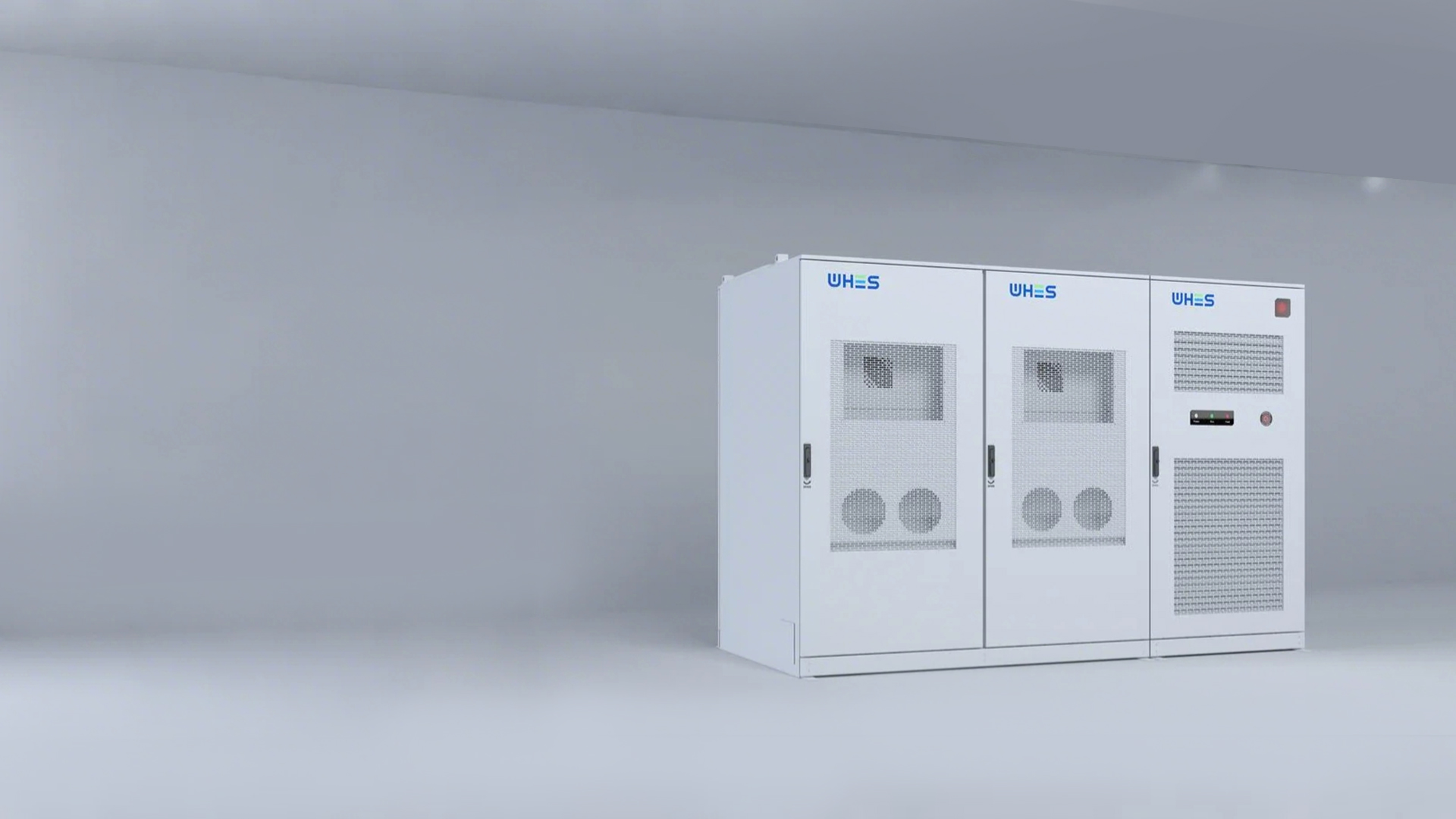
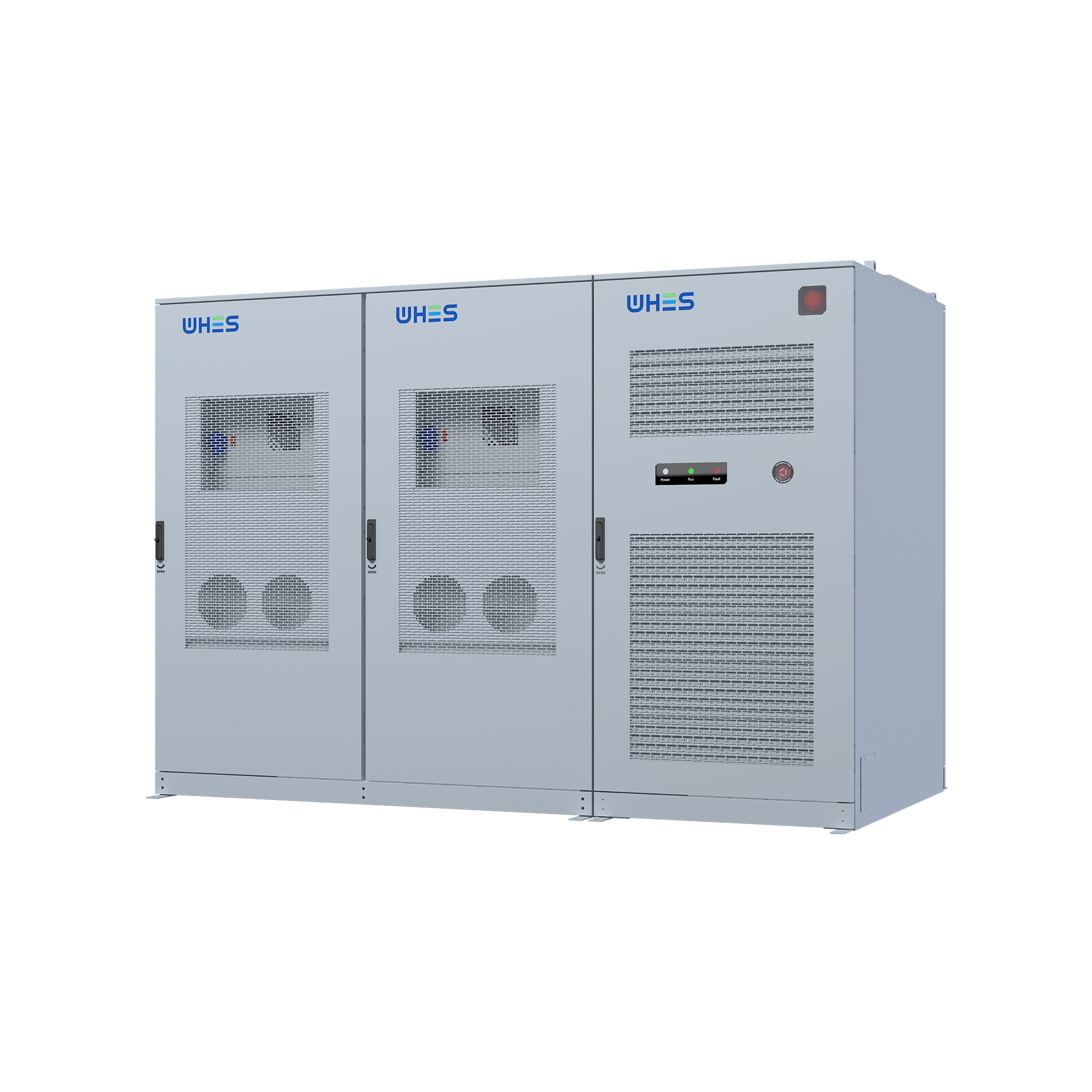
Containerized BESS units simplify deployment across rooftops, parking lots, and brownfield sites. Modular designs let you scale capacity or swap in newer cells without tearing down the whole plant. Key technical terms to check: inverter topology (string vs. centralized), thermal management, and interconnection footprint. If you need plug-and-play scaling, look at proven modular ESS solutions that standardize communications and accelerate commissioning. These choices affect both performance (peak shaving, capacity firming) and lifecycle economics.
Layer 4 — Commercial structures: contract to capture value
How you sell the output changes what you can earn. Tolling or merchant-of-record structures let you retain market upside but require risk appetite and hedging. Fixed-price PPAs reduce volatility but cap upside. Interconnection agreements and tariff designs can make or break a project’s returns — read the settlement terms closely for double-counting prohibitions and dispatch rights. Negotiate performance guarantees that align incentives: uptime targets, degradation caps, and clear acceptance tests.
Layer 5 — Risk management and financing
Model battery degradation and residual value conservatively. Lenders want predictable cashflows and clear maintenance paths; they’ll stress-test cycle counts and warranty coverage. Consider insurance for thermal runaway and business interruption. A financing-friendly configuration pairs conservative dispatch (to protect SoC and cycle life) with overprovisioning if you must guarantee capacity into a contract.
Common mistakes asset managers make
– Treating all revenue streams as additive without accounting for dispatch conflicts.
– Underestimating integration work: inverter settings, SCADA, and telemetry take time.
– Skimping on first-article commissioning tests — this causes delays and penalties.
Avoid these and you’ll save months of rework and a chunk of expected IRR.
Advisory — Three golden evaluation metrics
1) Effective Revenue per kW (net of degradation): measure expected merchant income after accelerated cycle effects. This gives a real comparative baseline across sites. 2) Dispatch Availability Rate: percent of high-value events the asset can reliably bid into (accounts for interconnection and SoC windows). 3) Levelized Storage Cost (LSC): total lifecycle cost per kWh discharged, including O&M, replacement cells, and contingency — use this to compare vendors and containerized designs.
These metrics point you straight to commercially viable configurations and highlight where WHES’s standardized modular approach reduces commissioning friction and lifecycle cost. WHES. — a practical partner when scaling revenue stacks.