

Opening Scene: The Brief That Can’t Slip
You’re staring at the launch calendar, knowing one slip means missing holiday shelves. Many china perfume bottle manufacturers look solid on paper, la. But choosing the right perfume bottle factory isn’t just about price and pretty renders. The numbers say a lot: 3–5% color drift across batches is common, neck-finish variance can hit ±0.25 mm, and rework adds two to four weeks—easy. Now imagine your fragrance oil oxidises because the pump fit isn’t tight. Or the spray coating line leaves pinholes that catch the light. What’s your move when the clock is ticking and the MOQ traps you in one supplier?
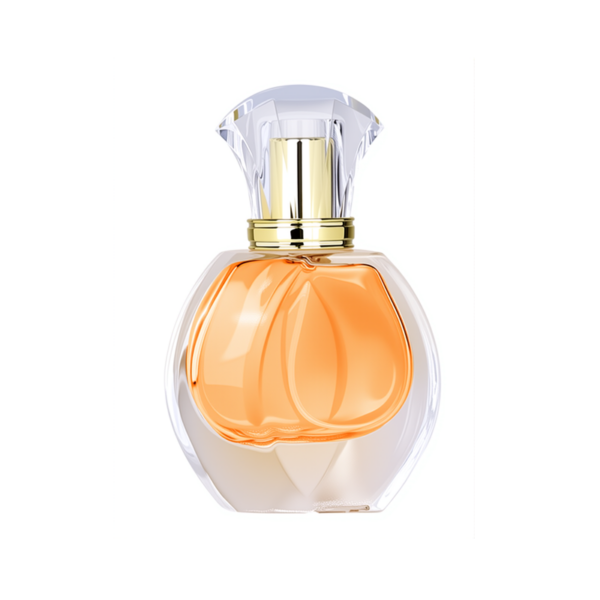
Here’s the thing: buyers compare lead times and unit cost, while the hidden risks live in process control and traceability (small details, big consequences). If that sounds familiar, you’re not alone—funny how that works, right? Let’s unpack what to compare, and why the usual checklist still lets defects slip through. Onward to the blind spots.
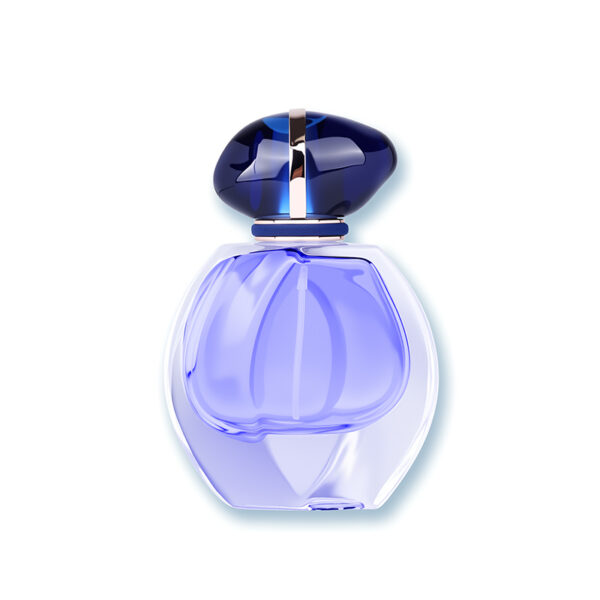
Deeper Layer: The Pain Points You Don’t See in the Quotation
Where do delays really come from?
Direct truth. Traditional vetting looks at tooling fee, samples, and delivery date. But delays hide in mold wear and changeover. When CNC mold polishing is inconsistent, you get micro-burrs at the neck. That means pump leakage and returns. When the annealing lehr runs hot for speed, micro-stress creeps in; cartons arrive fine, then bottles crack during crimping—two weeks after. Look, it’s simpler than you think: request the hot-end coating and cold-end coating specs, not just “tempered glass.” Ask for AOI (automated optical inspection) screenshots, not a PDF promise.
Another trap is finish quality control. A factory can nail a golden sample yet drift on batch three. Why? Loose QC sampling plans and no spectrophotometer control of Delta E for metallic inks. UV-curable inks cure fast, yes, but under-cure leaves smears in transit. And color drift often comes from the spray booth’s nozzle aging, not the paint. Without preventive maintenance logs, your “same Pantone” becomes three versions. That’s why a line walk beats a brochure—because inks, lehrs, and fixtures tell the truth. And when traceability is weak, complaint cycles loop forever—no root cause, no fix.
Comparative Insight: Principles That Future-Proof Your Choice
What’s Next
Shift the lens. Compare factories by their control systems, not only their catalog. Some empty perfume bottles manufacturers now use digital twins of molds to predict wear, backed by SPC charts on neck finishes. Others run MES with barcode traceability from furnace to coating booth—so a defect maps back to a nozzle in Bay 3 (tight, and very useful). Vision AI spots micro-scratches a human inspector misses; spectral readers cap Delta E before your brand team even notices. Even pumps benefit: torque mapping during crimping reduces over-crush and keeps atomization consistent. Compare this to the old model—one operator’s “okay” and a stamp. Different worlds.
Real-world impact—fewer surprises, shorter cycles. Servo-driven spray lines stabilize film thickness; IR ovens cure evenly; and maintenance dashboards warn before drift happens. Ask for energy-profile data too. It hints at stable furnace runs and lower carbon per unit. Summing up: the strongest suppliers reduce variance at the source, create traceability you can trust, and show preventive maintenance, not reactive fixes. To choose well, use three simple metrics: 1) Process capability: Cpk on neck finish and wall thickness, plus Delta E records over three batches; 2) Traceability depth: unit-level or batch-level, with rapid root-cause reports; 3) Stability signals: preventive maintenance logs for molds, lehrs, and spray nozzles, plus first-pass yield trends—because numbers don’t bluff. Keep it practical, keep it visual—and yes, that’s avoidable. Knowledge shared, not hype, from NAVI Packaging.