
What users actually want—and why old banks trip up
People want checkout that’s chill: fast approvals, clear terms, no awkward credit calls. That’s the whole user-centric beat driving this shift, and platforms like didi finanzas are built around it. Instead of paperwork and slow underwriting, shoppers get an interface that feels like tapping an app and moving on. This hits especially hard in places like Mexico City, where quick rides and quick buys are part of daily life; merchants and riders expect instant flow, not bank-grade friction.
How DiDi Finanzas actually works for you
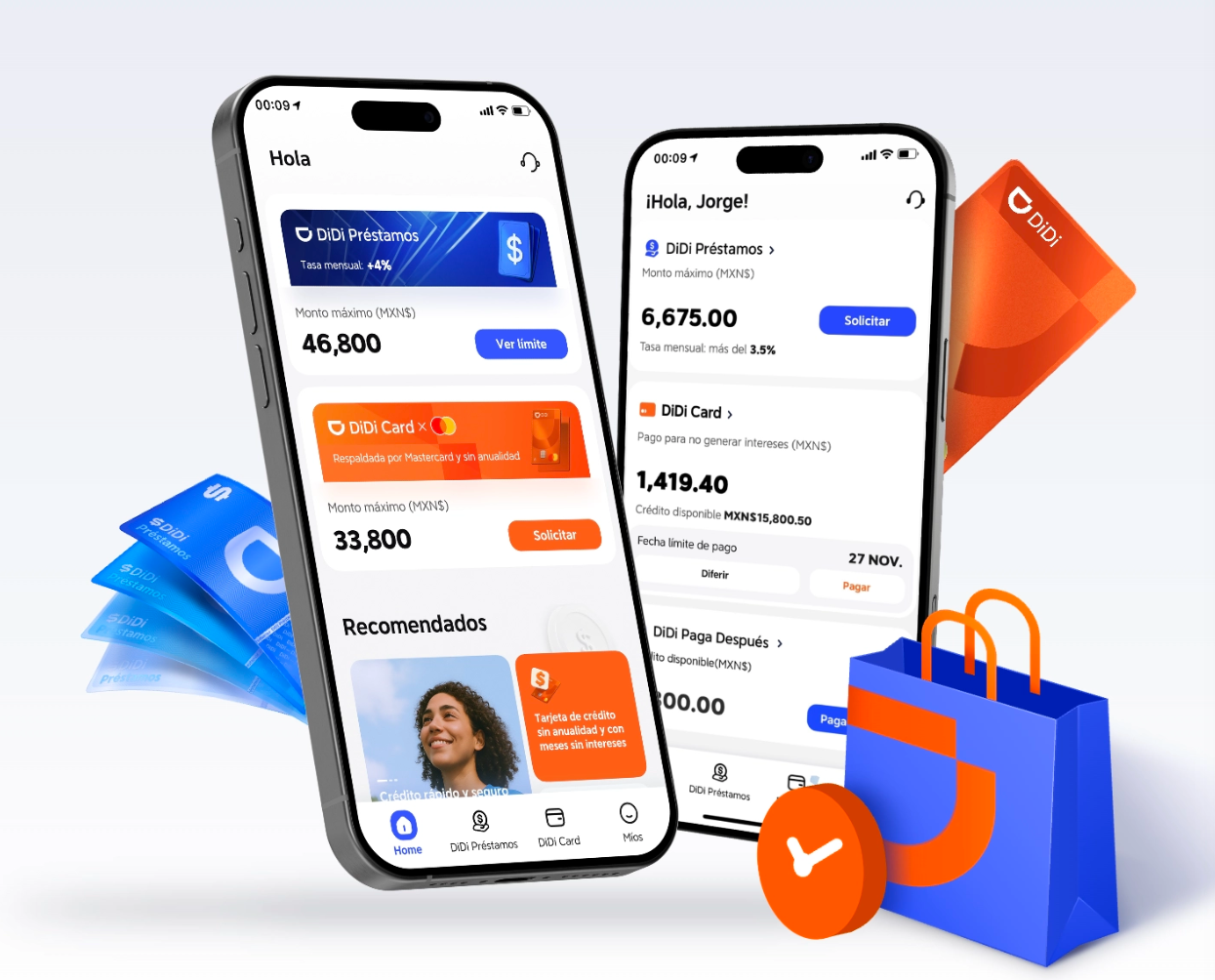
At the core it’s BNPL with a low-key vibe: instant approval, split payments, and merchant integration so checkout isn’t a mess. The platform uses lightweight underwriting and KYC steps that don’t feel invasive, and the merchant API smooths the handoff so stores don’t need a whole IT overhaul. For buyers, it looks like an installment plan with clear due dates and a credit line you can manage in the app—no hidden fees, just simple lanes to pay over time.
Real-world scene: street-level wins and what shoppers say
On El Buen Fin in Mexico City, a buddy of mine used the didi finanzas app to split a purchase at a small electronics stall and saved time in line—no card drama, no bank hotline. Merchants noticed faster checkouts and fewer abandoned carts, which is the kind of tangible outcome retailers care about. This is a real-world anchor: shoppers and vendors seeing conversion lift when checkout loses its friction—solid proof the UX matters.
Alternatives and where DiDi flexes
There are other players—global BNPL brands, local fintechs, and credit cards with installment options. DiDi leans on deep integration with ride and delivery flows, so it wins where convenience ties into daily services. It’s not just tech—merchant partnerships and streamlined KYC give it traction. Still, some users prefer bank credit for rewards or legacy limits; that’s fine. The point is matching the tool to the purchase: quick groceries or mid-range gadgets often suit BNPL better than heavy purchases that need full financing.
Common slip-ups users make—avoid these
People sometimes treat BNPL like free money and miss payment dates—late fees stack fast. Track your installment plan in-app and set reminders. Also don’t ignore the small print on interest-free windows; missing one payment can change the game. Merchants should avoid sloppy integration that leaks UX friction—poor API handling causes dropped sales. These are simple operational details that cost real revenue if ignored—so tighten them early.
Three golden rules to evaluate a BNPL tool
1) Speed of approval: measure seconds-to-approval and the cancellation rate during checkout. 2) Clear cost structure: demand explicit installment terms and late-fee thresholds displayed front-and-center. 3) Integration footprint: check merchant API simplicity and how easily it connects to your POS or app. These metrics tell you if the solution reduces friction or just adds another layer of complexity.
Final take
DiDi Finanzas fits the user-first lane by turning what used to be bank hassles into smooth, everyday payments—fast approvals, honest terms, and real merchant wins. The value is in the friction removed and the checkout flow restored to something people actually want to use. — DiDi Finanzas.