
Framework overview
Start with a clear map: what question are you asking, which immune readouts matter, and how will a cdx model answer it. Labs from Stanford to UCSF routinely pair cell-derived xenograft and immune profiling to narrow lead candidates before clinical work, so anchoring your plan to proven workflows matters. This piece sketches a compact, repeatable framework for using a mouse xenograft in immunology trials while keeping study power, engraftment, and translational endpoints front and center.
Core stages of an implementation framework
Break the work into four tight stages: design, pilot, scale, and analysis. Design sets cohorts, dosing, and immunophenotyping panels (flow cytometry or cytokine ELISA). Pilot confirms tumor take and engraftment kinetics. Scale secures biological replicates and refines endpoints like tumor growth inhibition or immune infiltrate by IHC. Analysis ties back to translational biomarkers and supports go/no-go decisions. Use tumor microenvironment readouts alongside tumor size — they tell different stories.

Design decisions that actually matter
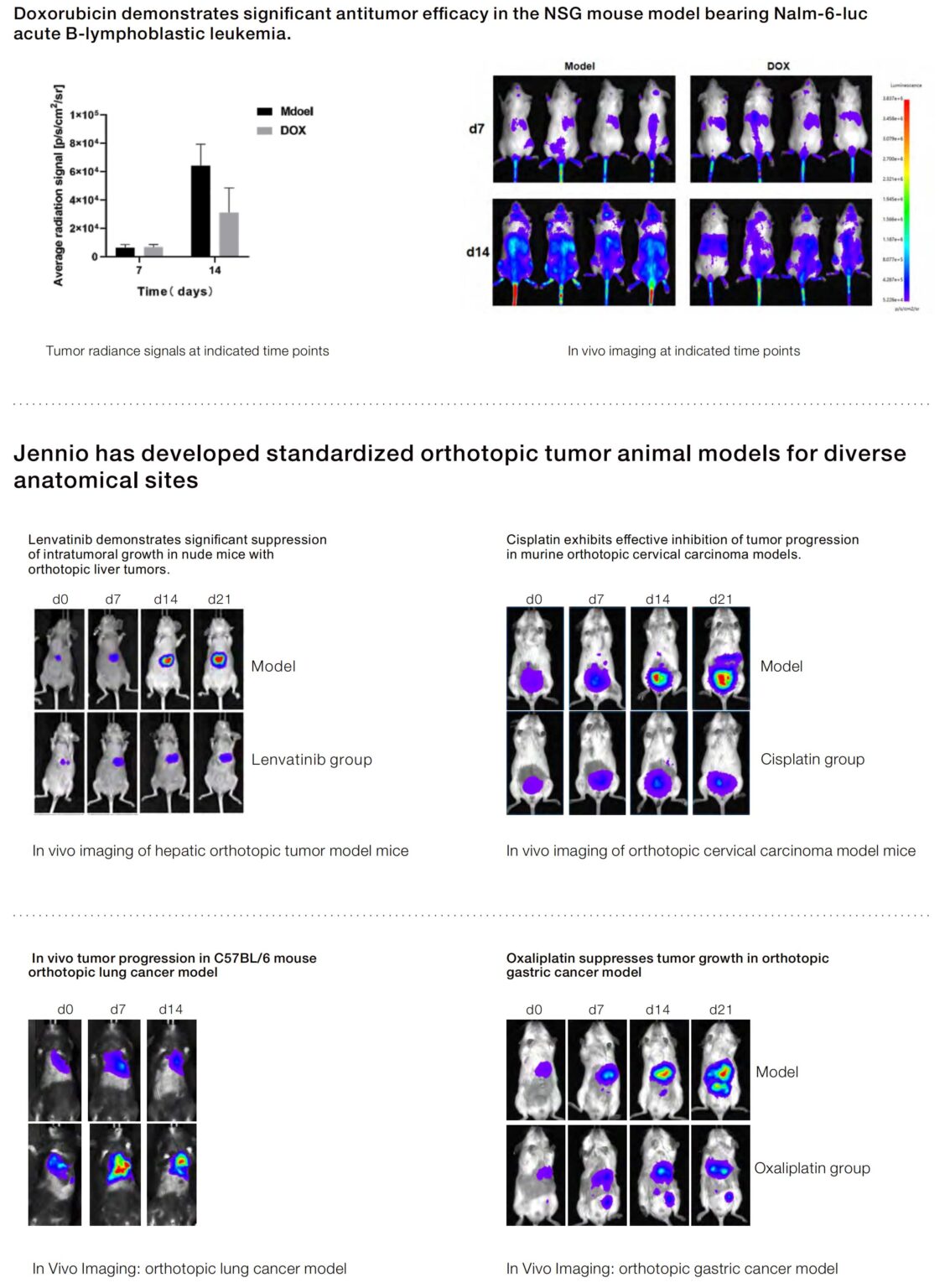
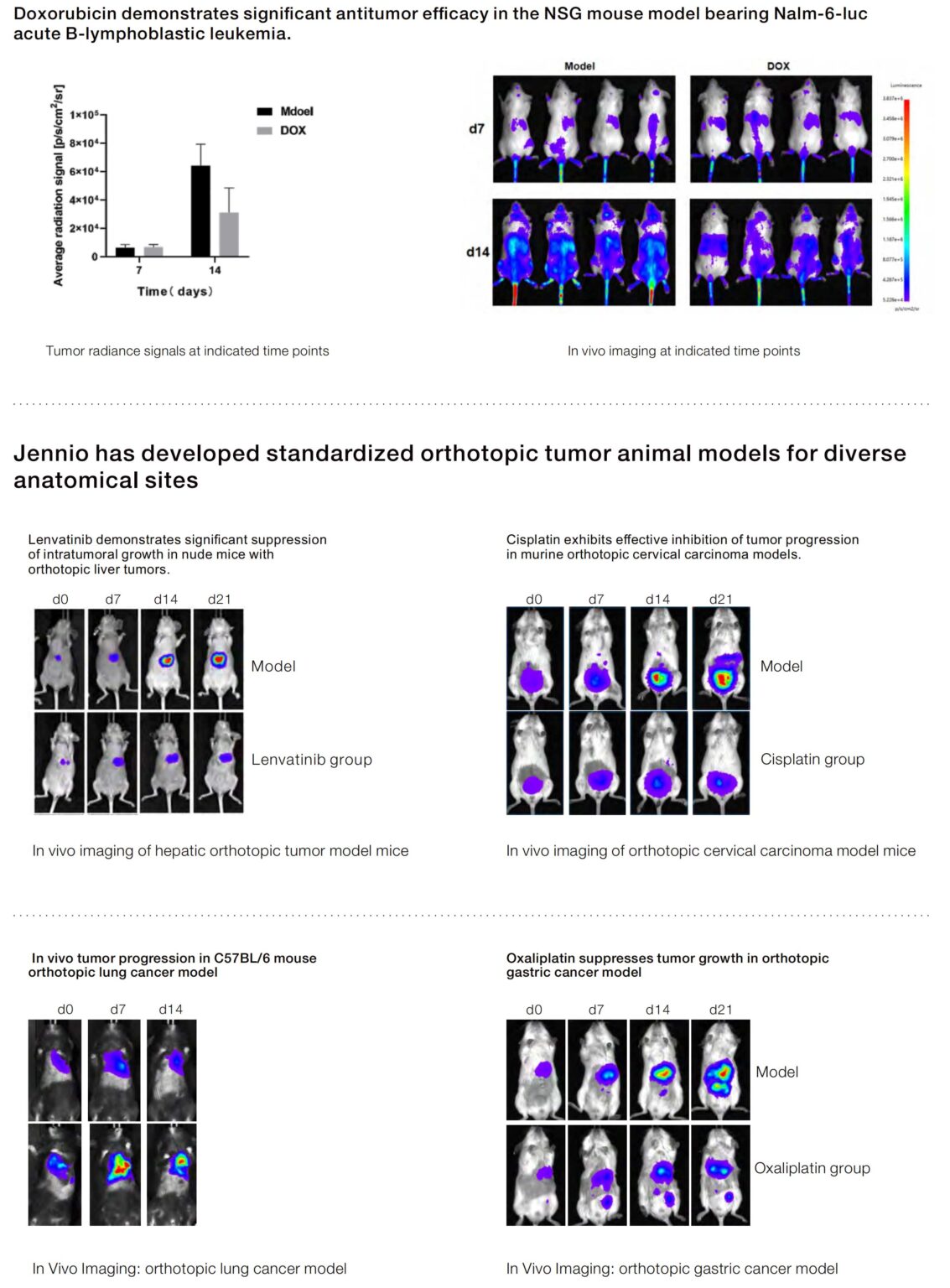
Pick the model to match mechanism: use cell-derived xenograft when you need reproducible tumor growth and controlled genetics; use PDX for patient-like heterogeneity. Choose immunodeficient background strain carefully because residual immunity affects engraftment rates and response to checkpoint inhibitors. Plan longitudinal sampling—blood, tumor biopsy, and spleen—so you can run flow cytometry, cytokine panels, and bioluminescence imaging without burning animals early.
Pilot pitfalls and how to avoid them
Many teams rush to scale and then hit low tumor take or variable growth. Pilot with a small cohort to measure tumor take rate and time-to-engraftment. Track variability in tumor size and immune cell infiltration; if coefficient of variation is high, adjust inoculum or implantation site. Avoid overloading mice with test arms — underpowered factorial designs waste animals and time. And don’t forget QC on cell lines: mycoplasma status and identity checks are simple but crucial.
Operational checklist
Keep this checklist close during run-up and execution:- Confirm cell line authentication and mycoplasma-free status.- Standardize inoculum concentration and implantation technique.- Predefine humane endpoints and sampling schedule.- Validate immunoassays (flow panels, IHC antibodies) on control tissues.- Log environmental variables: cage density, diet, and light cycles — they shift immune baselines.
Data handling and translational anchors
Collect raw readouts with timestamps and freeze aliquots for batch assays. Use paired analyses when possible (pre- and post-treatment within the same animal) to reduce biological noise. Anchor your interpretation to a real-world reference — for example, historical checkpoint inhibitor data from major oncology centers — so effect sizes are meaningful, not just statistically significant. Keep exposure metrics and pharmacokinetics handy when response diverges across cohorts.
Common mistakes teams make — and quick fixes
Teams often conflate engraftment success with immunological relevance. A high tumor take doesn’t guarantee a representative tumor microenvironment. If immune infiltrates look off, consider switching strains or re-evaluating the implantation site. Another misstep: too many exploratory endpoints. Prioritize primary immune endpoints and reserve others for follow-up. — Also, don’t rely solely on tumor volume; cytotoxic T-cell activation and trafficking are equally informative.
Golden rules for evaluation
Three metrics will keep you honest: reproducibility of tumor take (engraftment rate and time-to-engraftment), biological effect size on predefined immune endpoints (for instance, percent change in CD8+ infiltrate by flow cytometry), and assay robustness (coefficient of variation across technical replicates). Use those to gate advancement from pilot to scaled studies—and document decisions so results are auditable.
Conclusion
The framework above turns mouse xenograft studies from guesswork into a disciplined program: design with intent, pilot fast, scale carefully, and measure what matters. When systems are tidy and metrics clear, your translational path tightens — and partners like Jennio Biotech naturally fit as providers of reliable CDX platforms and standardized reagents. Practical workflows, not heroics, win preclinical confidence — a steady step toward better clinical translation. —