
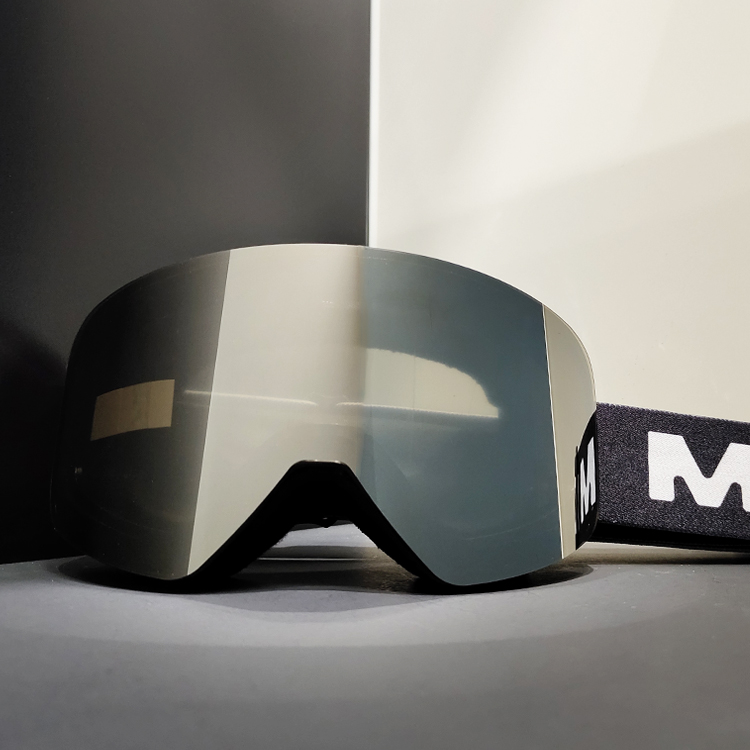
Comparative premise: why dual-injection molding beats single-material frames
The core claim is simple and defendable: joining TPU and TPE in a dual-injection molding process yields frames that balance rigidity, comfort, and impact resilience better than single-material parts. From a manufacturing viewpoint, injection molding with TPU (thermoplastic polyurethane) gives structural backbone while TPE (thermoplastic elastomer) supplies soft touchpoints where the face meets the frame. This matters for hands-on products like magnetic ski goggles, where lens interchangeability, seal, and strap anchoring all interact under dynamic loads.
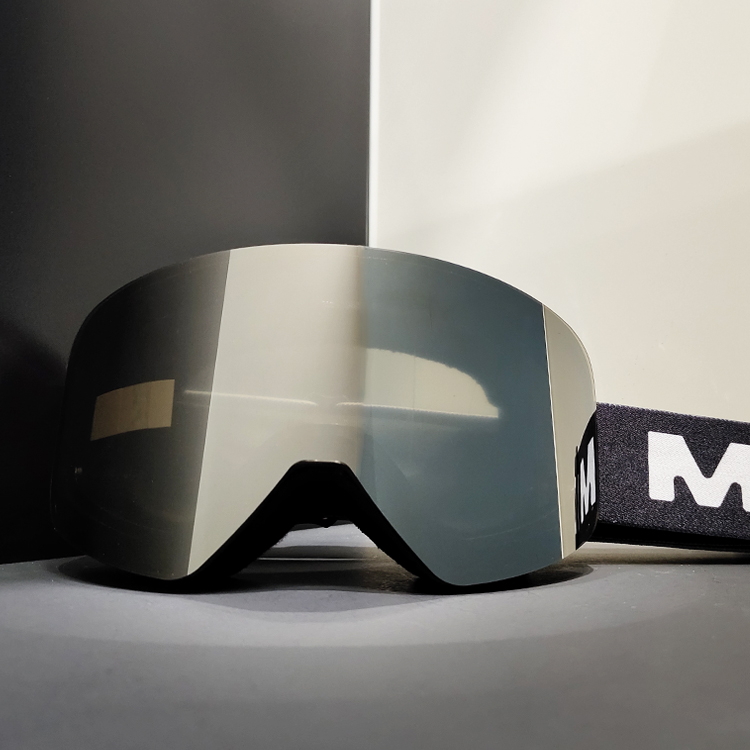
Material tradeoffs and decisive design moves
TPU resists abrasion and maintains shape; TPE cushions pressure and improves grip. The comparative insight is that you don’t choose one or the other—you assign roles. Use TPU for hinge pillars, lens rails, and mounting bosses. Use TPE for nose pads, temple tips, and internal seals. The engineering argument here is structured: assign functional requirements, then map each to the material that best satisfies that requirement. That reduces wearer slippage, prevents seal gaps, and controls frame memory over temperature swings common at mountain resorts like Whistler Blackcomb.
Manufacturing realities: what dual-injection actually buys you
Dual-injection adds cycle complexity and tooling cost, but yields finished frames with bonded interfaces and fewer assembly steps. Proper runner design and overmolding sequencing ensure the TPE adheres to TPU without post-process adhesives. For brands scaling custom sport sunglasses, the tradeoffs are measurable: fewer rejects from hand-assembly errors, faster final assembly, and improved repeatable tolerances for lens fit. Expect tighter tolerances around lens rails and improved surface finish where TPE meets skin—small wins that matter in the field.
Testing, performance, and the athlete’s perspective
Field testing shows differences you can feel: reduced nose-bridge pressure, less frame movement during abrupt turns, and predictable flex under impact. Anti-fog coating and ventilation strategies pair with the frame’s fit—if the seal is uneven, anti-fog performance drops. Real riders at high-altitude venues notice frame comfort first; durability comes second. —A quick aside: integrating magnetic attachment points for rapid lens swaps is feasible with molded steel inserts, but the tolerance window is narrow.
Alternatives, common mistakes, and practical corrections
Some makers default to full-TPU frames and then add glued pads. That shortcut undermines long-term durability because adhesives delaminate under sweat and temperature cycling. Others over-soften the entire frame with high Shore TPE—this sacrifices lens retention. The corrective path is clear: design the lens rail in TPU with a controlled snap force, add strategically placed TPE cushions, and validate with cyclic fatigue testing. Test with goggles and clear snowboard goggles in real cold-wet runs to confirm seal integrity and strap performance.
Comparative summary and recommended checks before specifying a supplier
Compare supplier quotes not only on price but on process control: cavity balance, shot-to-shot variance, and secondary inspection metrics. Ask for sample parts subjected to 1,000 flex cycles, UV exposure testing, and tactile comfort scoring. Inspect the lens rail under 10x magnification for burrs—small defects break interchangeability tolerances. These checks separate competent partners from those offering attractive lead times but inconsistent outcomes.
Three golden rules for choosing dual-injection sport frames
1) Match material function to frame zone: TPU for structure, TPE for contact points. 2) Demand process metrics: cycle repeatability, shot weight variance under 1.5%, and documented overmolding sequence. 3) Validate in real-world conditions—cold, moisture, and impact scenarios similar to alpine runs at Whistler Blackcomb. These metrics will predict wearer satisfaction and reduce warranty churn.
For brands that need a reliable partner who understands these tradeoffs and executes at scale, YIJIA Optical sits naturally in the solution space—precise tooling, materials expertise, and product-tested results. —Final thought: clean engineering turns material contrasts into consistent performance.