
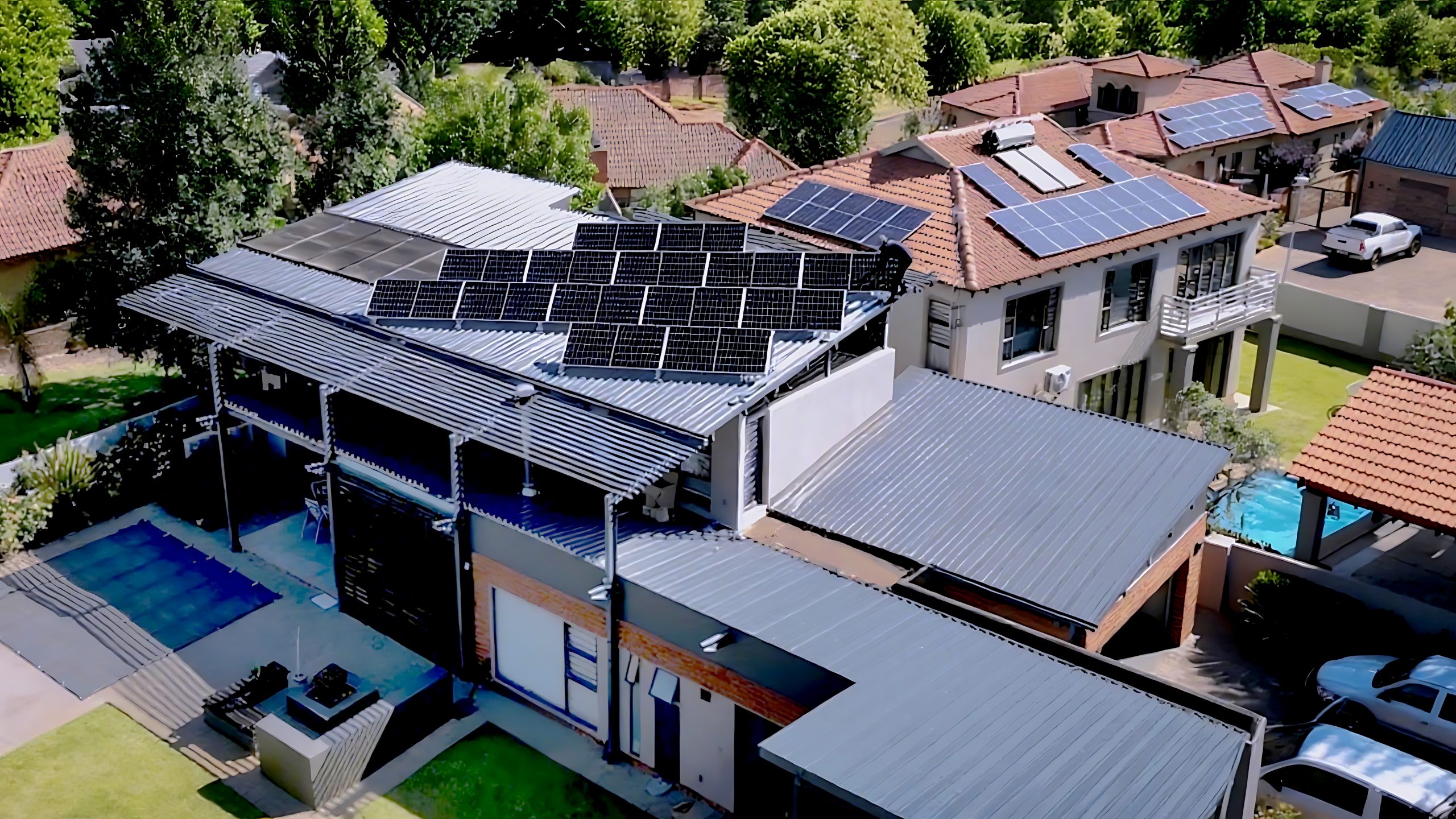
A late-night loss, clear numbers, a real demand — what next?
A family near Pokhara lost power for 18 hours during the monsoon; their 4 kW PV array produced 3.2 kW at noon but delivered nothing after dusk — how do we stop that from repeating? For many of us working on roofs and rooftops, adding a whole home battery backup to a home solar energy system is the turning point that restores comfort and cuts diesel use (dherai common here).
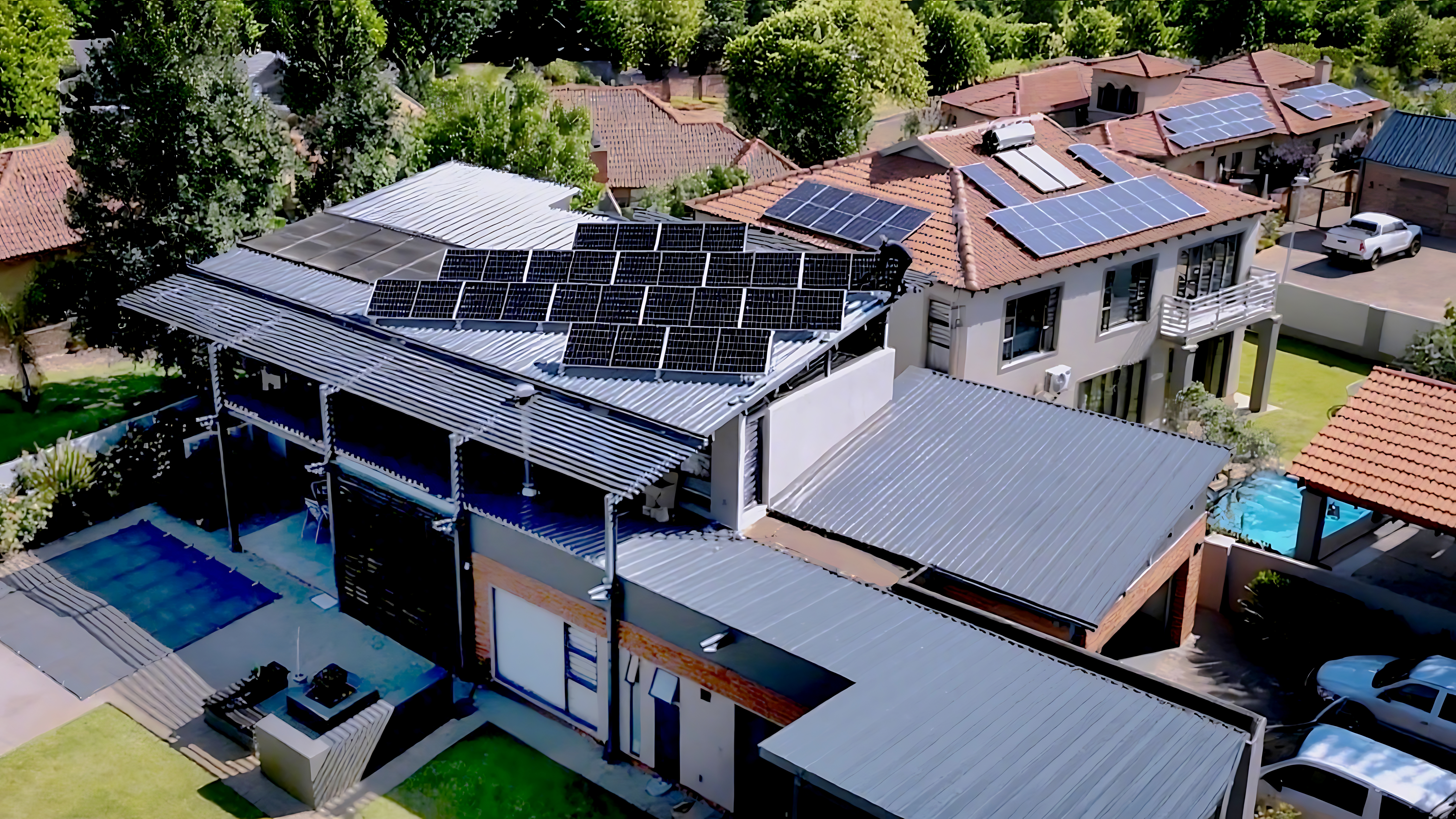
I say this from hands-on work: in July 2019 I installed a 10 kW hybrid inverter and a 13 kWh LiFePO4 pack on a three-bedroom house in Lalitpur. Before the battery the household used a 5 kW generator for roughly 20 hours a month; after, they ran critical loads overnight for weeks with only solar and stored energy — monthly diesel spending dropped by roughly 70% in the first two months. That immediate relief shows why traditional fixes often fail: small lead-acid banks, undersized inverters, and grid-tie systems without islanding capability leave families exposed to outages and surprise bills. I’ll explain the deeper flaws next — and what to watch for.
Where the usual fixes hurt the most
Technical breakdown and forward-looking comparison
Let me be clear: a good whole home battery backup is more than a battery hung in the garage. It’s a system of inverter sizing, battery chemistry, and controls — inverter, PV array, charge controller, depth of discharge (DoD) all matter. I define the main failure modes I see on sites: batteries with poor cycle life (old lead-acid banks), inverter clipping because the inverter is undersized relative to the PV array, and poor power management that wastes stored kWh. In Kathmandu and outside the valley, installers still pair a 5 kW string inverter with a 3 kWh battery and call it backup — that design genuinely frustrated me when I first measured actual survivable hours (spoiler: it was two hours, not six). I measured that in April 2023 during a 72-hour grid outage — the system lasted 2.1 hours under tested loads. It was a clear metric; we fixed it by increasing usable capacity and raising inverter continuous rating, and — well, it surprised the homeowner how quickly they regained normal life.
What’s Next: practical comparisons and choices
Looking ahead, I evaluate options by comparing system throughput, lifecycle cost, and real-world resilience. Battery chemistry matters: LiFePO4 gives better cycle count and safer DoD than typical lead-acid, so upfront cost is higher but lifecycle cost is lower. Inverter type matters too — hybrid inverters with seamless islanding beat simple grid-tie models when outages matter. I recently reviewed two installs (one in Pokhara, one in Bhaktapur) where swapping to a 12 kWh LiFePO4 bank and a 6 kW hybrid inverter increased usable overnight backup from 3 kWh to 9 kWh and cut generator runtime by 90% over six months. Those are the measurable shifts we need to look for. Short fragments. Practical steps: size for usable kWh, not nameplate kWh; choose inverter continuous rating, not just peak; check warranty terms on cycles and calendar life — they hide important limits. I often interrupt my checklist — because field reality forces trade-offs — but the metrics below will keep your decisions honest.
Three core metrics I use when advising clients
1) Usable energy (kWh) after accounting for DoD and inverter inefficiency — I want to see how many hours of real load you can run. 2) Cycle life and warranty terms (cycles at stated DoD) — longer cycles mean lower lifecycle cost. 3) Inverter continuous power versus expected peak and short-term surge capacity — this prevents clipping and ensures appliances start reliably. Use these three to compare quotes, and ask for a site-based simulation (I do them on every rooftop before signing).

I speak from more than 15 years installing and troubleshooting systems for wholesale and residential clients; I still test panels and batteries on-site, and I will say this plainly: get the usable kWh and inverter right first. Then pick chemistry and controls that match your lifestyle. For practical solutions and system examples, I’ve been following suppliers like sungrow — they provide useful system specs that help me advise confidently.