
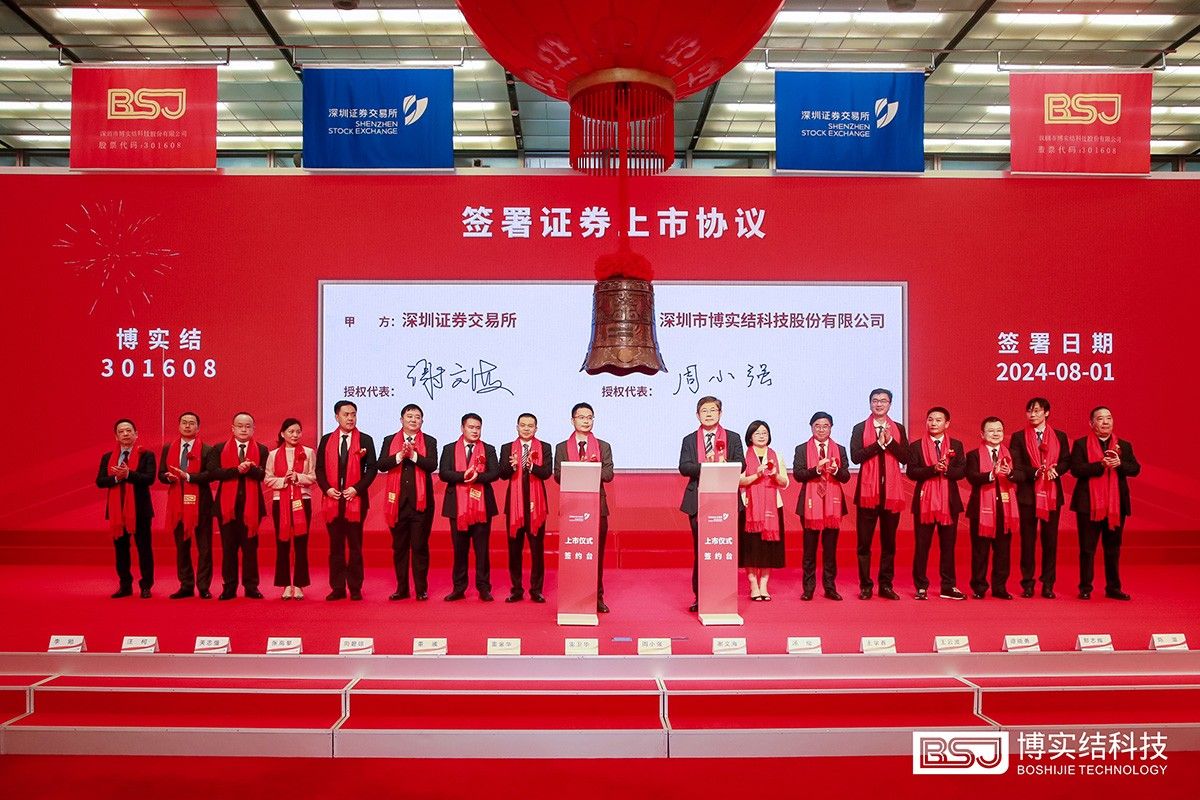
The problem that begins on the yard
Fleets stall for reasons both blunt and subtle: idle engines that bleed fuel, blind spots that hide safety risks, and schedules that fray under unseen delays. This piece follows a single logic—identify the pressing failure, then show how practical remedies restore motion. The remedy often starts with data from fleet telematics technology providers, whose streams reveal patterns otherwise lost to routine. Trust in data must be paired with clear intent: measure what matters, and let the numbers point to repair, not to blame.
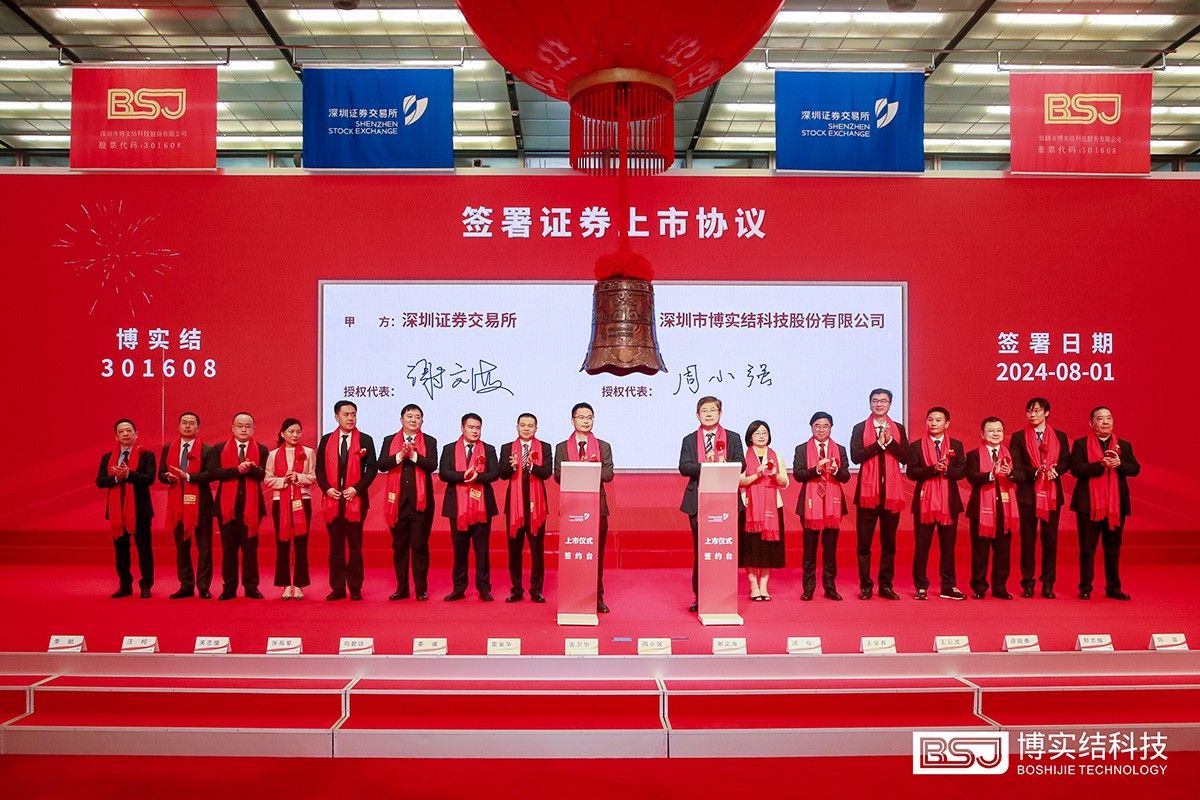
Where the pain concentrates
Three recurring faults account for most operational leakage. First: unpredictable downtime caused by delayed maintenance signals. Second: inefficient routing that multiplies labor hours and fuel. Third: safety lapses born of inadequate driver feedback. Each fault multiplies cost, and each one carries operational consequences that ripple through customers, drivers, and accounts payable.
How telematics answers specific failures
Telematics is not a panacea; it is an instrument tuned to particular failures. When maintenance alerts arrive from vehicle telemetry, workshops move from crisis repairs to scheduled interventions. When route telemetry shows habitual delays on a corridor, planners adjust schedules and stops. When harsh braking and cornering cluster around a depot, targeted coaching lowers accident risk. These outcomes stem from concrete signals: engine fault codes, GPS traces, fuel-flow signatures, and driver-event logs. A single, field-tested approach from respected telematics solution providers can bind those signals into decisions.
Assessment checklist for practical adoption
Evaluate any change by the problems you must fix. Use this working checklist to sort vendor promises from likely returns — each item ties back to a concrete failure.— Does the system surface fault codes before breakdowns occur? — Can the platform compare planned versus actual routes in near real time? — Are driver events tagged with contextual data (speed, load, road type)? — Is data exportable into your maintenance and payroll systems? — What is the update cadence for firmware and mapping data? Keep the list near your desk during demos. Ask demonstrable questions; require evidence from live fleets, not hypothetical scenarios.
What I have seen in practice
Years advising carriers and municipal fleets show that modest implementations yield clear returns when aligned with one truth: simplicity wins. In work around the Port of Rotterdam, teams that paired route telemetry with scheduled maintenance saw turnaround times shorten and idling fall. That is not a marketing anecdote; it is a repeatable pattern: detect, act, measure, repeat. Specialist vendors who support staged rollouts—pilot, scale, refine—avoid the waste of wholesale, untested change.
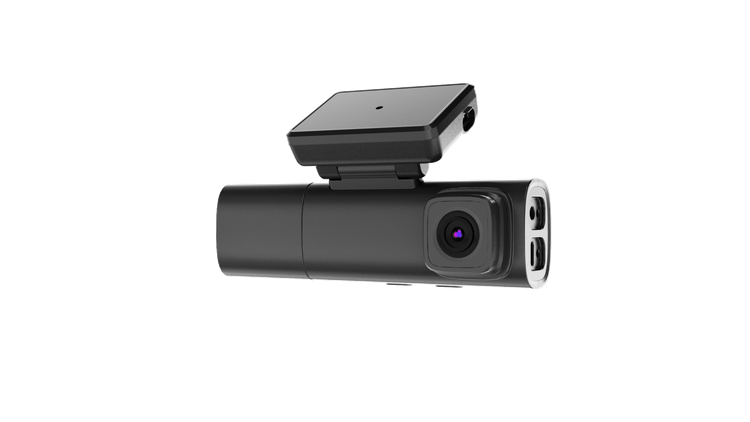
Pitfalls to avoid when you deploy
Do not deploy telematics and expect behavior to change by osmosis. Common mistakes:— Collecting every possible signal without deciding which ones will drive action. — Setting unreadable dashboards that no one uses. — Treating telematics as surveillance instead of improvement, which breeds resistance. Fixes are simple: pick three KPIs, design visible feedback loops for drivers, and translate reports into two specific actions per week for operations and maintenance teams.
Evaluating vendor fit beyond features
Beyond technical capability, assess vendor responsiveness and cultural fit. A supplier who answers a firmware question within hours saves days of disruption. Look for partners who understand your routes, your maintenance cadence, and who can produce a concise implementation plan. Demand a timeline with milestones and a rollback step. A sensible pilot will prove whether metrics align with operational goals before budgets expand.
Final synthesis
The problem-driven path favors clarity over buzz. Identify the leak, choose telemetry that reports the right signals, pilot changes that translate into discrete operational actions, and scale what proves beneficial. Practical partnerships—grounded in experience and accountable to clear milestones—convert data into regular, reliable motion. That steady craft of problem, remedy, and proof is where BSJ naturally belongs: a measured hand that helps fleets move with purpose rather than noise.