

Opening comparison and context
Choosing between models rarely rests on marketing claims alone; careful side‑by‑side assessment matters. When an engineer asks whether a gas fired burner with modulation and closed‑loop control will outperform a larger, simpler unit in their process, the answer depends on measurable variables rather than assumptions. Field guidance from the U.S. Department of Energy and documented plant trials emphasize the value of combustion control for fuel savings and emissions; that body of practice is relevant when considering a high efficiency gas burner for a production line. I present a cautious, evidence‑based comparison to help you weigh tradeoffs that matter on site.

Core burner types and where they fit
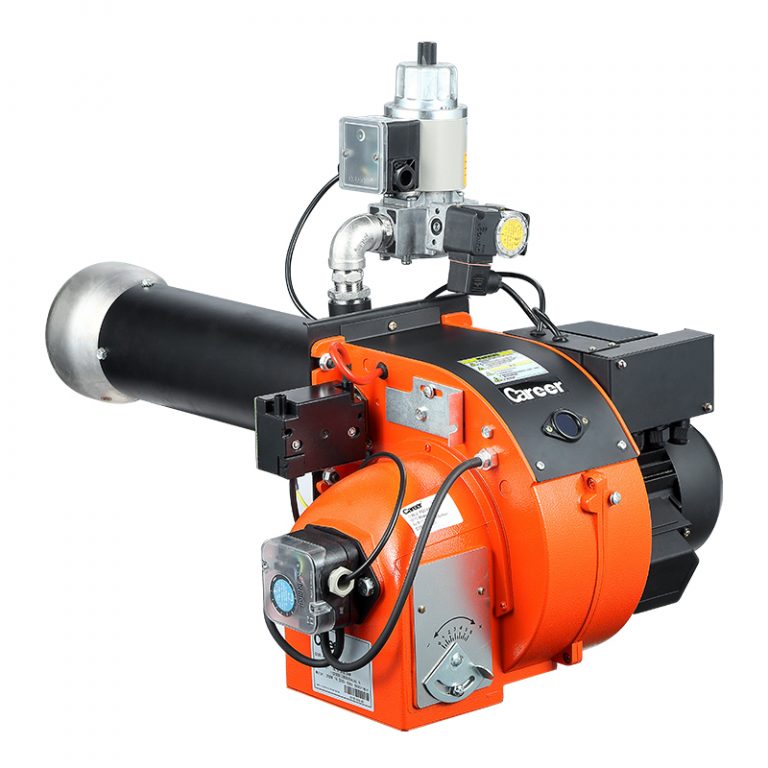
Compare three practical categories: atmospheric/pressure burners, premix/low‑NOx burners, and fully modulating forced‑draft systems. Atmospheric burners are simple and cheap to maintain but often lack turn‑down and tight combustion control. Premix designs give better mixing and lower emissions at steady loads but can be sensitive to air‑pressure changes. Modulating burners with proportional control manage variable loads most effectively; they reduce cycling losses but add control complexity. Choose by matching the burner’s control level to process variability and required emissions performance.
Objective metrics to use for comparison
Focus on measurable indicators: thermal efficiency at typical operating load, turn‑down ratio (minimum firing to maximum firing), control precision (error band on temperature or pressure), NOx/CO emissions at operating conditions, and mean time between failures (MTBF) for critical components. Ask vendors for performance curves measured at representative operating points rather than nominal peak efficiency figures. Compare lifecycle fuel costs using realistic load profiles; a higher upfront cost can be justified if steady-state efficiency improves and maintenance demands drop.
Common procurement mistakes and how to avoid them
Buyers often oversize for safety margins, ignore control integration, or assume all low‑NOx claims perform equally in real process cabinets. Oversizing increases cycling and standby losses. Failing to confirm compatibility with existing PLCs or combustion management systems causes delays and extra engineering. Avoid accepting only boilerplate test certificates; request site‑specific reference installations and maintenance records. Insist on vendor willingness to support start‑up tuning and performance verification under your load conditions.
Alternatives and realistic tradeoffs
Consider electric infrared, steam, or hybrid systems only when process constraints or fuel availability warrant them. Electric systems can eliminate combustion complexity but may raise operating cost in many industrial geographies. Biomass is plausible where reliable feedstock and emissions permitting exist. For most continuous thermal processes, a controlled gas system with good modulation remains the pragmatic balance between capital cost and predictable performance.
Vendor selection checklist
Use a short, evidence‑focused checklist: verified performance data at representative loads; documented commissioning and tuning in similar facilities; local service and spare‑parts availability; clear warranty terms tied to performance metrics; and controls that integrate with your automation standards. Prioritize vendors who allow factory acceptance testing and provide a plan for on‑site tuning. Confirm spare‑parts lead times and whether critical components are standardized across models to reduce downtime risk.
Putting the comparison into practice
Compare candidates by running the same simple spreadsheet: estimated annual fuel use with your load profile, expected maintenance hours, and an estimate for emissions compliance costs. Weight the results by your site priorities—fuel cost sensitivity, emissions limits, or uptime. Evidence from controlled comparisons and field tuning typically points to modest performance differences becoming meaningful only when controls and maintenance are factored in.
Conclusion — practical resolution
A reasoned comparison yields clearer choices: when process loads vary and emissions matter, select a modulating system with proven site references; when loads are steady and service access is limited, favor simplicity. For many industrial settings the pragmatic path combines measured vendor data, local service assurance, and a documented commissioning plan—criteria that I’ve used advising heat‑treatment and ceramics plants. That approach aligns selection with operational realities and explains why many teams settle on suppliers who can demonstrate installed performance and reliable support from Career Burners.