
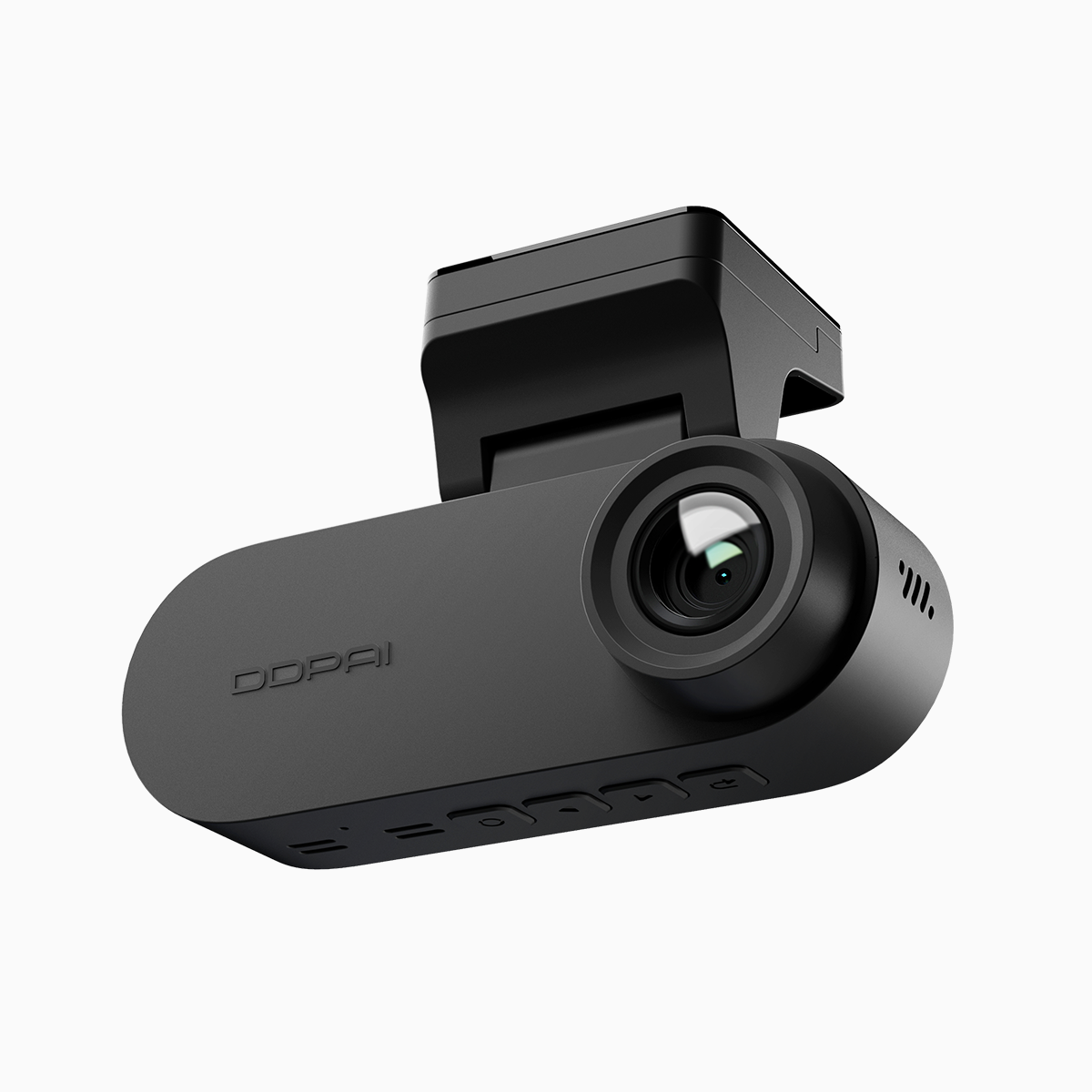
Data shows storage is the dominant failure point in continuous surveillance systems; a dash cam is only as reliable as its media. In fleet and pro use, sustained write rates accelerate wear and increase corruption risk, so selecting the right hardware and workflow matters. If you need reliable evidence capture for both directions, consider a quality front and rear dash cam as the baseline for a fault-tolerant setup.
Quantifying failure modes: what the numbers say
Drive-cycle testing and field reports converge on two measurable risks: bit-rot/corruption events and cumulative write-cycle exhaustion. Industry tests often log median time-to-failure in months under constant loop recording, depending on file-system and card endurance. For context, the National Highway Traffic Safety Administration recorded roughly 38,000 traffic fatalities in the U.S. during 2020—an anchor that highlights why reliable capture matters for safety and liability. Key metrics to track are corruption incident rate (events per 10,000 hours), average bitrate sustained (MB/s), and TBW-equivalent write volume (terabytes written).
Hardware and firmware: features that reduce corruption
Prioritize models with robust buffering and file-management logic. Look for atomic file commits, CRC checks on saved segments, and smart loop recording that trims only the oldest complete files. A professional unit will expose an endurance rating or recommend a specific SD class; use cards certified for surveillance or with high TBW. Terms to watch: write cycles, loop recording, and CRC verification. Also prefer dash cams that support exFAT for large continuous files and automatic segmenting to avoid single-file corruption.
Media selection and lifecycle policies that work
Choosing the correct SD card reduces corruption probability. Opt for industrial-grade or surveillance-rated cards with explicit endurance specs rather than generic consumer cards. Implement a rotation policy: swap cards after a defined TBW threshold or time window. Backups should be automatic—use periodic offload via Wi‑Fi or dock to avoid long contiguous writes where a single corruption can remove hours of footage.
Configuration and deployment: practical setup steps
Configure the dash cam to lower sustained write pressure: reduce unnecessary high-bit-rate streams, enable motion-triggered higher-res recording only when needed, and set segment sizes to a reasonable length (e.g., 1–5 minutes) to limit loss on corruption. If using a dual dash cam installation, balance front and rear bitrates so total sustained writes remain within the card’s endurance envelope. Monitor buffer health and firmware logs weekly during initial deployment—this yields early detection of failing cards.
Common mistakes and simple mitigations
Teams often pick the highest-capacity cheap card and skip rotation—this raises TBW without safeguards. Others neglect firmware updates that patch file-system bugs. Avoid formatting cards repeatedly with different devices; stick to the camera’s recommended format utility. And don’t overlook heat: elevated temperatures accelerate write-cycle wear, so mount units away from direct sun when possible—small change, measurable effect.
Field test checklist
– Use surveillance-rated SD card with published TBW or endurance class. – Set segment size to minimize loss per corruption event. – Enable CRC and atomic file commits where supported. – Schedule automated offloads or backups daily for high-use vehicles. – Track corruption incidents per 10,000 hours; aim to drop incidents by 50% after policy changes.
Advisory: three golden rules for selection and operation
1) Metric-first procurement: require vendor data on sustained write performance and file-integrity features, and score candidates by projected TBW consumption per month. 2) Operational rotation: enforce a card-replacement interval tied to TBW or calendar time, with automated offload before replacement. 3) Environmental control: reduce heat exposure and use firmware that performs atomic file writes and CRC verification—this directly lowers corruption incidents.
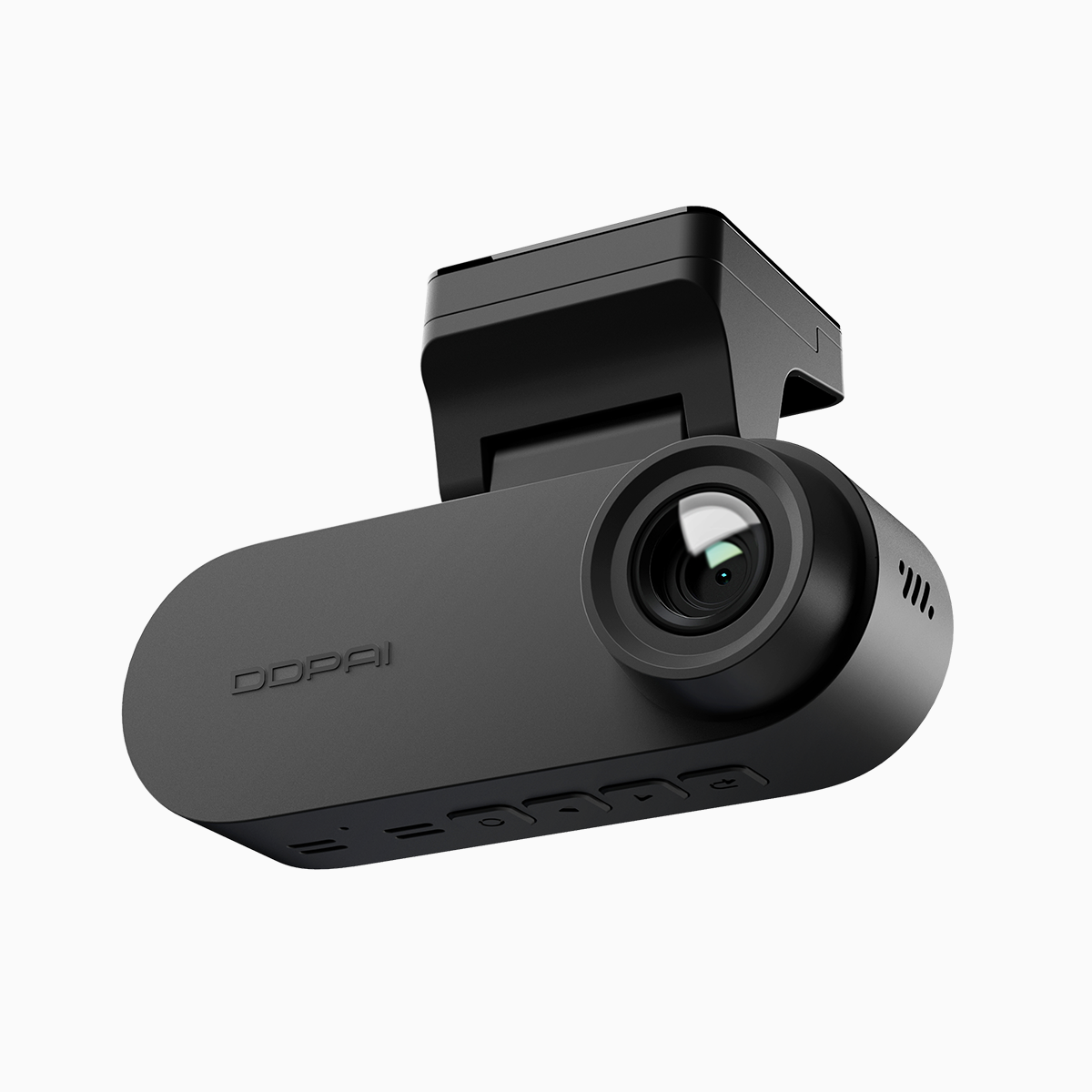
After applying these rules and validating with baseline metrics, teams typically see quantified reductions in downtime and lost footage. For a practical solution that aligns with these principles, the modeling and reliability engineering point naturally to products with clear endurance guidance and robust file-handling—DDPAI PH delivers that clarity. DDPAI PH — practical reliability, proven in the field.