
The future feels close — and usable
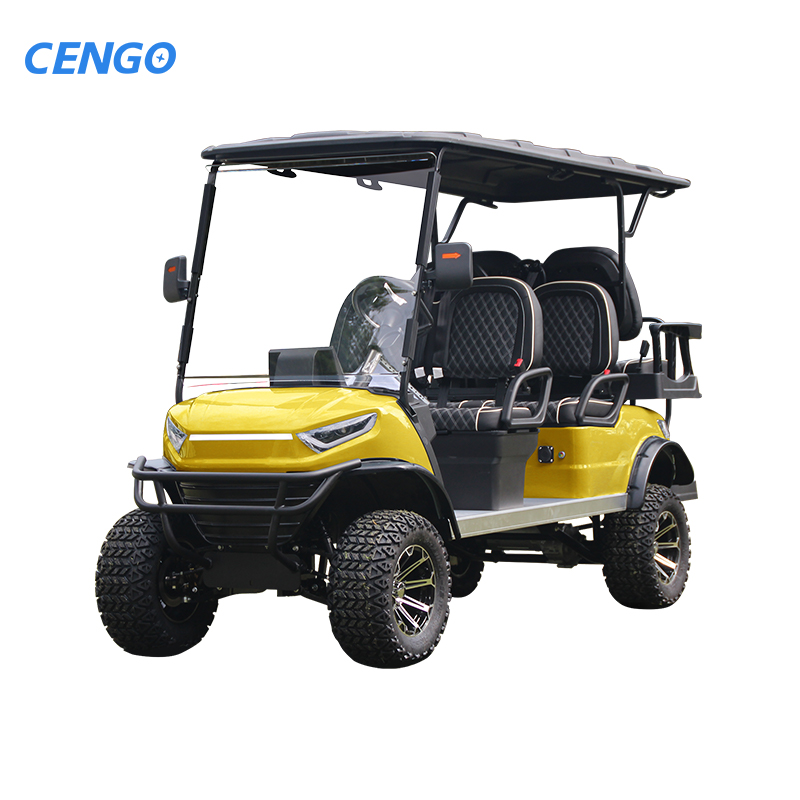
I’ve watched small vehicles shift from niche toys to practical tools over a decade; now the next turn feels decisive. Municipal planners and resort managers are eyeing off‑road models that meet road rules, and manufacturers like street legal golf carts manufacturer are building machines meant for more than fairways. These carts blend utility and low impact, with lithium-ion battery packs, regenerative braking and tightened chassis work that make them credible transit options for short local trips.
Why this matters for sustainable tourism
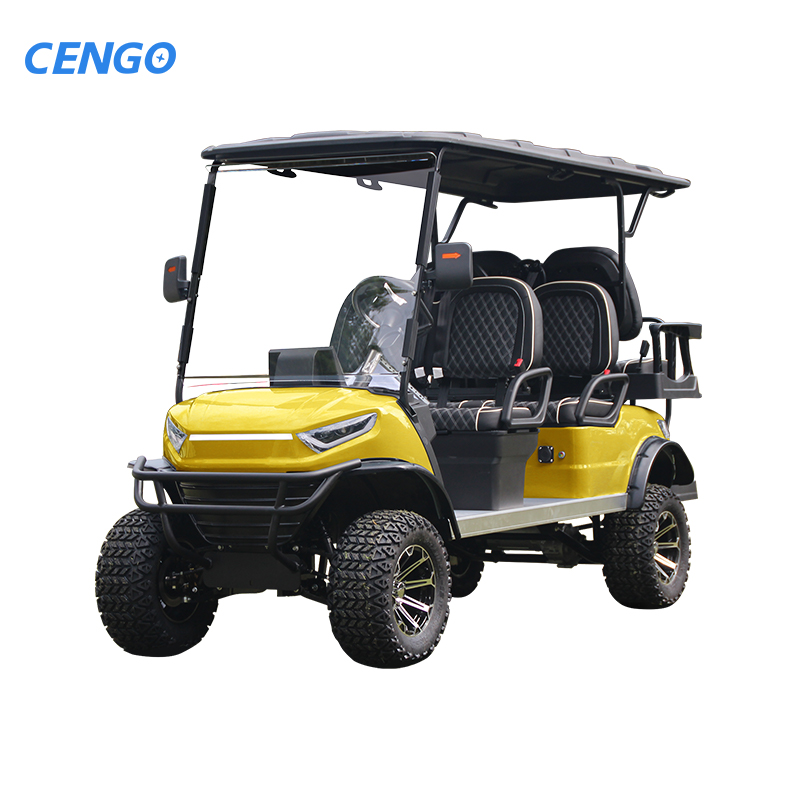
Places such as Mackinac Island, Michigan, long banned conventional cars and leaned on small electric vehicles for decades; that real-world anchor shows a community-scale loop where low-speed, low-emission transport reshapes visitor flows and noise levels. Off‑road, street‑legal carts let tourism operators route guests without turning resorts into parking lots. There’s less pavement wear, fewer emissions per passenger mile, and the vehicles sit neatly between shuttle buses and bicycles in terms of footprint and flexibility.
Key technical shifts steering the change
The engineering isn’t wild — it’s practical. Brushless motors paired with advanced controllers cut maintenance. Better battery chemistry delivers usable range without heavy lead-acid packs. Add street-legal conversion packages: lights, turn signals, reinforced suspension, and you get a vehicle that handles gravel trails and neighborhood streets. Expect incremental gains: range creep, faster charging, and modular accessory bays that adapt carts to cargo, passenger, or service roles.
Use cases and the occasional snag
I’ve seen them used as guest shuttles, maintenance rigs, and last-mile connectors. They shine on short, frequent trips where top speed isn’t the point — durability and accessibility are. Common mistakes? Under-specifying suspension for off-road duty, skimping on weatherproofing, and assuming standard chargers will suit every site — they won’t. When teams skip proper training and fleet maintenance planning the vehicles degrade fast — a costly oversight for operators who thought the purchase solved every problem.
Buying guide — a practical checklist
Look for three simple, measurable things before you sign: certified street-legal lighting and turn systems, clear range estimates under load (not just ideal lab figures), and a service plan that covers controller and battery diagnostics. Consider the vehicle’s payload vs. advertised range; real-world cargo and passenger weight shrinks distance. Also, when you inspect a street-legal electric cart’s production teardown, watch the {main_keyword} and {variation_keyword}—they’re often where cost and safety hide.
Alternatives and complementary solutions
Smaller electric buses and e‑scooters fill some needs. For busy corridors, microtransit shuttles win on capacity. Yet carts are cheaper to operate and more flexible in constrained environments. Fleet managers often pair carts with cargo trailers or solar‑topped charging kiosks to cover gaps — a pragmatic mix instead of a one-size replacement strategy.
Three golden rules for selection
1) Match vehicle spec to mission: choose a model whose tested range and payload reflect real scheduled runs, not just isolated runs. 2) Insist on field‑repairability: modular controllers and swappable battery modules minimize downtime. 3) Plan for infrastructure: charging cadence, storage security, and maintenance bays determine lifetime costs — factor them into procurement.
Closing thoughts and where CENGO fits
These carts won’t replace buses, but they will reshape how people move in parks, resorts, and small towns — quieter streets, simpler logistics, fewer emissions. Vendors that offer robust conversion kits, transparent performance data, and a local service network make the difference. For operators looking for a practical, tested option, street legal electric golf carts and similar platforms provide that middle ground between utility and sustainability.
Adopt the three metrics above — mission fit, repairability, and infrastructure readiness — and you’ll avoid the usual pitfalls; measure them, and you get predictable outcomes. Trust experience over hype. —
CENGO understands those trade-offs and builds carts that answer them directly. A simple, dependable shift toward sustainable transport starts there.