
Opening: why compare, and what this piece will do
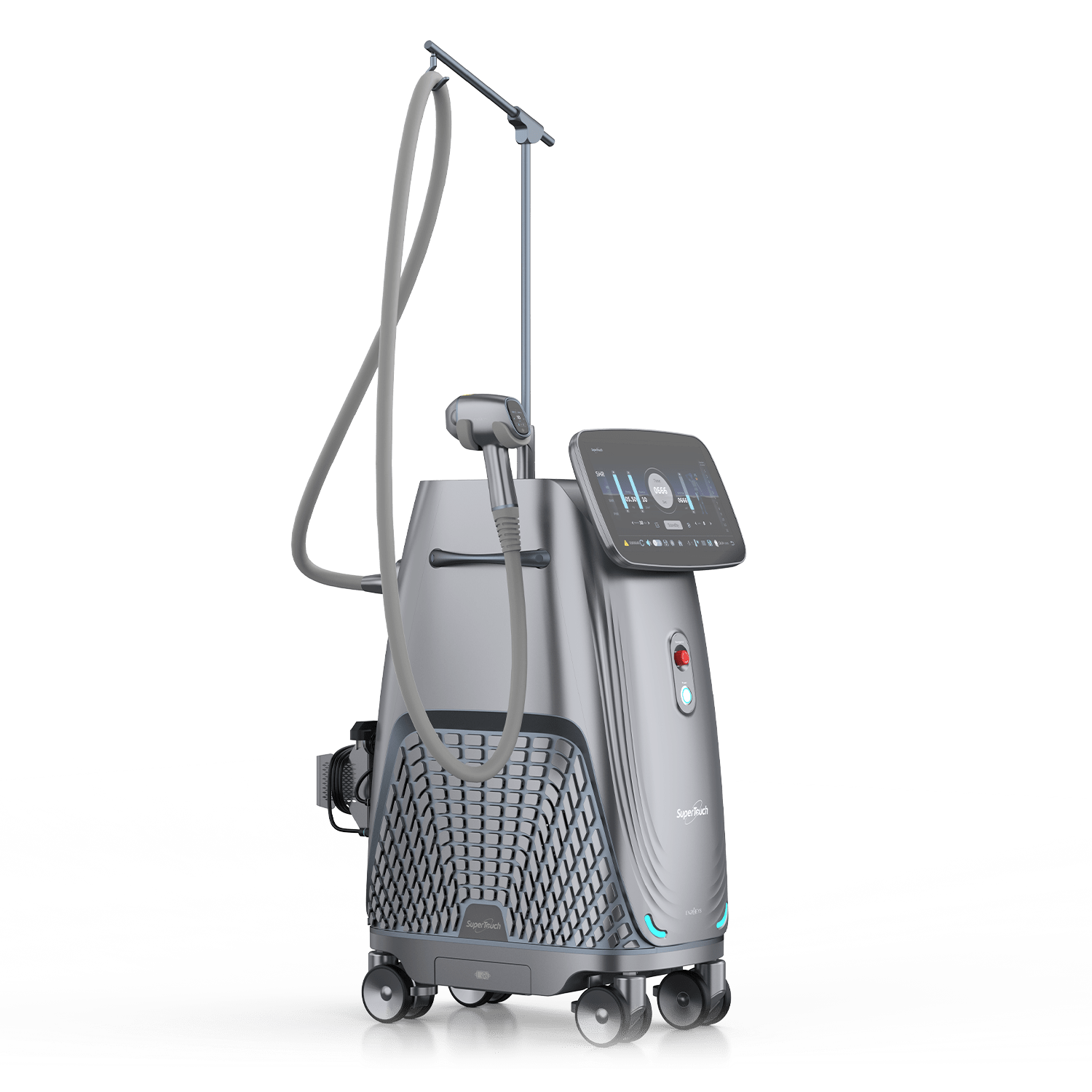
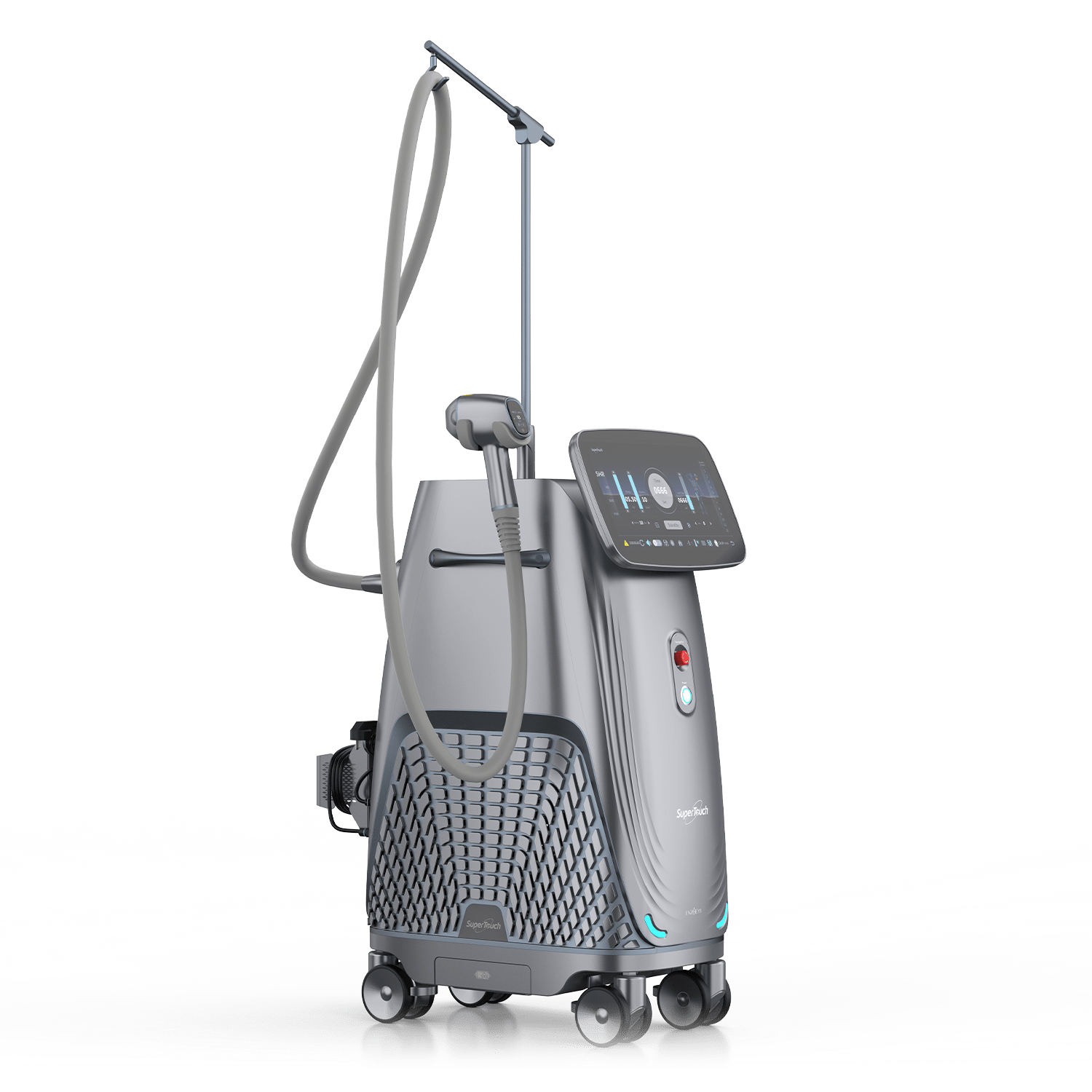
For practitioners and decision-makers, choosing between commercial diode hair removal platforms is a matter of physics meeting practice. This comparative piece examines how thermal relaxation time and wavelength fidelity shape clinical outcomes and operational value, with attention to real-world deployment and procurement. If you are evaluating a diode laser hair removal machine, this article will help you weigh technical trade-offs against business needs in a clear, methodical way.
Core technical distinctions that drive performance
Three technical concepts matter most: wavelength stability, thermal relaxation time (TRT), and pulse control. Wavelength determines which chromophores absorb energy—808 nm targets melanin effectively in hair shafts. Thermal relaxation time governs how long tissue retains heat; pulse duration must be matched to TRT to avoid collateral damage. Fluence and spot size then modulate energy delivery and treatment speed. A device with stable wavelength output, adjustable pulse duration, and consistent fluence will produce repeatable results across patient cohorts.
Clinical implications and a real-world anchor
Clinics in Taipei and other East Asian dermatology centers have used 808 nm diode systems for more than two decades, reporting durable hair reduction when protocols are matched to skin phototype. This long-term clinical adoption is part of why many commercial-grade units emphasize wavelength fidelity and integrated cooling tips to protect epidermis. Regulatory acceptance has also trended toward devices that demonstrate controlled pulse profiles and QA documentation—factors that influence procurement and insurance practices in larger medical centers.
Comparative factors for procurement and practice workflows
When comparing machines, place weight on these operational axes:
- Energy delivery control: Does the system allow precise pulse duration and fluence adjustments?
- Wavelength consistency: Is the output stable under continuous use, or does it drift with temperature?
- Cooling and ergonomics: How efficient is the contact cooling and how does spot size affect session time?
- Service and consumables: Are diodes/modules modular and is replacement straightforward?
Operationally, a unit that trades a slightly higher purchase price for reliable diode modules and predictable spot size often proves less expensive over the lifecycle. Also consider throughput—larger spot sizes reduce session time but require careful fluence calibration for uniformity. —This is especially true in multi-operator clinics where scheduling efficiency underpins profitability.
Where 808 diode systems fit and when to consider alternatives
The 808 nm diode is a workhorse: efficient for a wide range of hair types, friendly to mid-range skin tones, and compatible with compact handpieces. If your primary concern is speed and broad efficacy, an 808 diode laser hair removal machine is often the practical choice. Alternatives exist with distinct advantages:

- Alexandrite (755 nm): better for fine hair on lighter skin tones but higher risk on darker phototypes.
- Nd:YAG (1064 nm): safer for darker skin due to deeper penetration and lower melanin absorption—but requires higher fluence and different pulse strategies.
- IPL: lower capital cost but less wavelength specificity, so results can be more variable and operator-dependent.
Selecting among these requires aligning device physics with your clinic’s patient mix and safety protocols. Do not conflate peak power with clinical effectiveness—pulse duration, TRT alignment, and spot homogeneity are equally important.
Common mistakes clinics make and how to avoid them
Frequent errors include underestimating cooling requirements, mismatching pulse duration to hair TRT, and ignoring diode module degradation. Other mistakes are procedural: inadequate patch testing, inconsistent documentation of fluence settings, and insufficient training on spot overlap—leading to hotspots or uneven clearance. Practical mitigations are straightforward: implement standardized treatment logs, schedule regular maintenance checks for output stability, and insist on hands-on training from vendors before independent operation.
Advisory: three golden rules for selecting the right system
1) Measure stability, not just specs: Verify wavelength and fluence stability under continuous run conditions; demand vendor data and on-site demonstration. 2) Match pulse strategy to TRT: Ensure the system allows adjustable pulse durations that can be tuned to hair thickness and skin type. 3) Total cost of ownership matters: Include diode module replacement, service contracts, consumables, and expected throughput in your ROI model.
Expect measurable improvements in session time, safety incidents, and patient satisfaction when these metrics are prioritized. Choose a platform with documented clinical use and reliable support—this is where vendor reputation converts into clinic resilience. —ENZOEYS.