
Defining the New Baseline
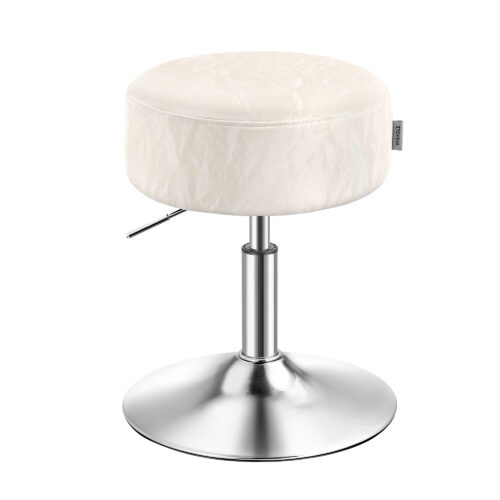
Let us define the core shift: procurement today is not only price and catalog, it is systems and signals. In many cafes and lounges across the Gulf, buyers order wholesale bar stools and expect them to arrive, fit, and last with minimal fuss. Yet data shows a gap. Average lead time still spans 6–10 weeks, defect rates hover near 3–5% on budget lines, and warranty claims often spike after peak seasons. If the seat is loose or the finish flakes, the guest experience drops, and so does your table turnover — small flaws, big effects.
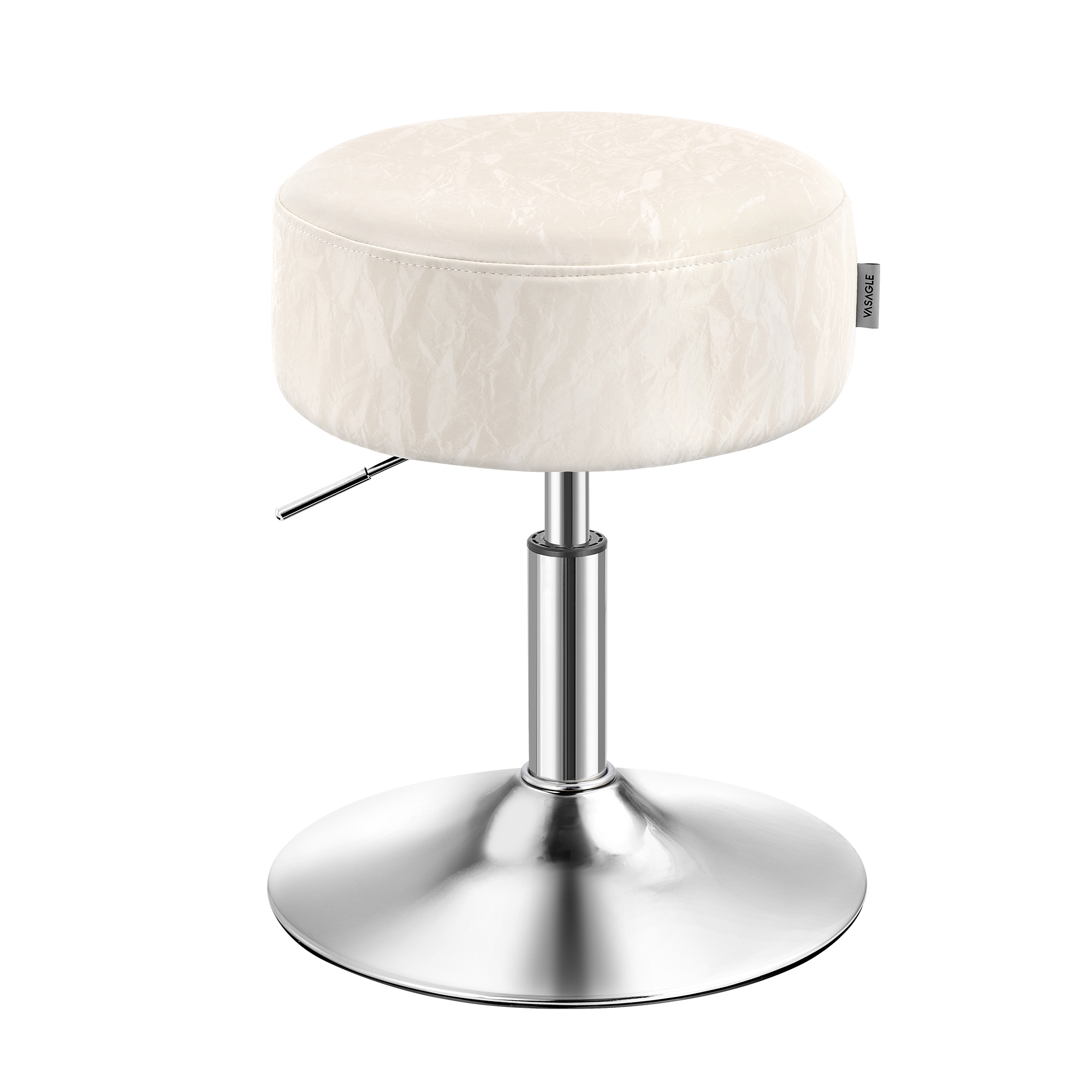
Now, place yourself in a busy weekend service. You need seating that passes a basic drop-test standard, uses stable powder coating, and meets BIFMA stability guidance. But you also need SKU rationalization so staff can re-seat groups fast and maintenance stays simple. This is not luxury; it is operations. The question is clear: which sourcing path secures quality, delivery, and cost without hidden friction (wallah, time is the real currency)? To answer, we contrast old choices with new signals and move toward a clearer supplier playbook — step by step to the root.
Hidden Friction with Your Supplier Choices
Where do buyers stumble?
The immediate challenge is not variety; it is clarity from your bar stool supplier. Traditional quotes read simple on paper, but the pain shows later. MOQs look attractive, yet they lock capital while designs drift. Fabric specs miss the PU leather abrasion rating, so stools scuff under high turnover. Gas-lift cylinder grades are skipped in the worksheet, and torque tests on footrests get delayed till after shipment — funny how that works, right? Lead time buffers appear safe, then collide with holiday rush and container rollovers. The result is uneven batches, rising warranty claim rate, and staff repairing chairs when they should be serving guests.
Look, it’s simpler than you think. The flaw is not only in hardware; it is in the flow. Old-school sourcing hides tests behind factories and hides data behind emails. You cannot see compression load rating, seat base thickness, or anti-tip stability until a problem shows. You cannot match finishes because color swatches lack batch IDs. And when replacements are needed, SKU tracking breaks, so you overbuy. A better path names these points early, writes them into the PO, and links tests to each lot. No poetry. Just clear specs, live visibility, and a service plan you can execute.
Comparing Next‑Gen Supply Paths
What’s Next
Forward-looking programs tie product and process together. On the product side, CNC welding improves repeatability on footrests; cold‑rolled steel frames hold tighter tolerances; and fire‑retardant foam keeps form under load. On the process side, ERP integration tags each lot with QR codes, so you can track finish batches, verify torque tests, and link any defect to a workstation. Edge analytics at the warehouse scan cartons for damage before inbound put‑away — a small step, big savings. For hospitality lines like modern leather bar stools wholesale, this also means verifying PU coatings for 50,000+ Martindale cycles and confirming plating thickness on footrests. The principles are simple: specify, instrument, and verify. And do it upstream, not in the lobby.
Here is the comparative frame, in plain words. Old models were quote-first, test-later. New models are spec-first, data-always. You secure compression load rating in the drawings, bind BIFMA and drop-test standards to the PO, and attach photo/video evidence to each shipment. You request sample retains for color, tie them to QR-coded batches, and make reorders exact. Then you measure three things to choose your path wisely: 1) stability and fatigue performance over time, not just one lab pass; 2) logistics accuracy, including real lead time variance and damage-on-arrival rate; 3) lifecycle cost, blending unit price, spare parts, and claim speed — the full cost to seat a guest, not only the carton. Keep the tone practical, the data visible, and the rhythm consistent, and your stools will simply work — the room will tell you first. For sustained, documented sourcing, consider partners who align with that operating model, such as SONGMICS HOME B2B.